Cirugía Oral e Implantología
Naresh Kewalramani centra su práctica en Cirugía Oral e Implantología. Ejerce en Santa Cruz de Tenerife. Su formación de base procede de Universidad Complutense de Madrid en 2017.
A lo largo de su trayectoria, ha profundizado en regeneración y prótesis. Su título de posgrado más reciente es el Máster de Formación Permanente en Implantología Avanzada, Regeneración Tisular y Rehabilitación Implantosoportada (Universidad Rey Juan Carlos, 2020). Ha pasado por Universidad Rey Juan Carlos y Universidad Complutense de Madrid.
Actualmente ejerce como cirujano/implantólogo en Clínica dental Amaranta, Vitaldent Tenerife y Clínica dental Espacio Salud en la provincia de Santa Cruz de Tenerife. Antes desarrolló su actividad en Vivanta dental y Clínica dental Atlant SL.
La docencia ocupa la otra mitad de su tiempo: imparte clase en Universidad Rey Juan Carlos, en programas como Máster de Formación Permanente en Implantología Avanzada, Regeneración Tisular y Rehabilitación Implantosoportada.
En Doctor&Cols imparte una formación — entre ellas «Estancia clínica de Cirugía Oral e Implantología» — en Santa Cruz de Tenerife - España, ha publicado 3 casos clínicos sobre cirugía mucogingival periimplantaria, implantología y periodoncia y firma 35 publicaciones científicas en revistas como Clinical and Investigative Orthodontics y Antibiotics.
Explora su trayectoria
Máster de Formación Permanente en Implantología Avanzada, Regeneración Tisular y Rehabilitación Implantosoportada
Máster · Universidad Rey Juan Carlos · Madrid, España
Experto en Implantoprótesis
Experto · Universidad Rey Juan Carlos · Madrid, España
Máster Universitario en Ciencias Odontológicas
Máster · Universidad Complutense de Madrid · Madrid, España
Grado / Licenciado en Odontología
Grado · Universidad Complutense de Madrid · Madrid, España
Clínica dental Amaranta · Santa Cruz de Tenerife, España
Vitaldent Tenerife · Santa Cruz de Tenerife, España
Clínica dental Espacio Salud · Santa Cruz de Tenerife, España
Vivanta dental · Santa Cruz de Tenerife, España
Clínica dental Atlant SL · Las Palmas, España
Centro médico Excellent Medical · Santa Cruz de Tenerife, España
Adeslas Tenerife · Santa Cruz de Tenerife, España
Clínica dental Vida Nueva · Madrid, España
Profesor · Máster de Formación Permanente en Implantología Avanzada, Regeneración Tisular y Rehabilitación Implantosoportada
Universidad Rey Juan Carlos · Madrid, España
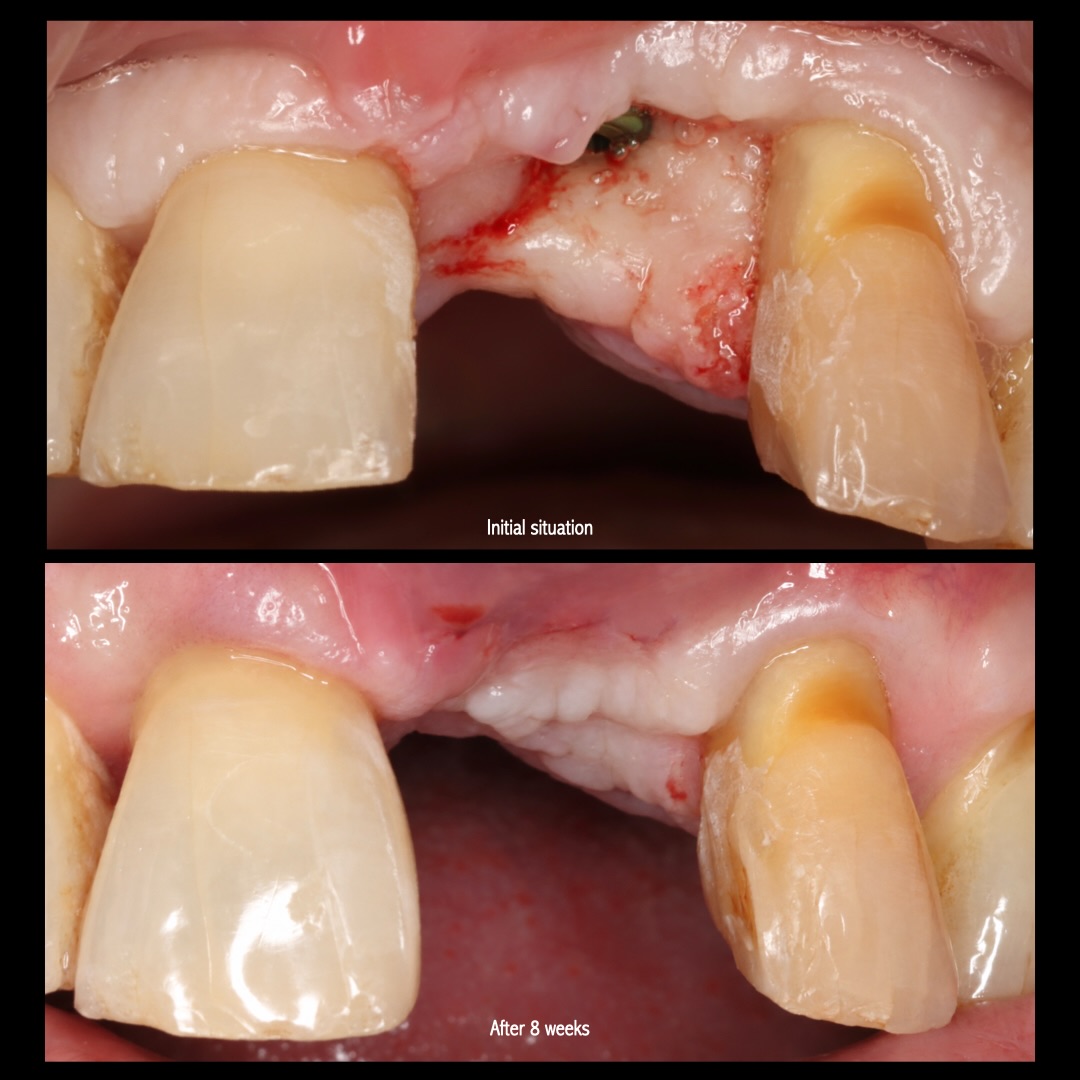
Manejo de una deficiencia severa de volumen vestibular alrededor de un implante osteointegrado en posición 21 mediante un colgajo de espesor parcial e injertos de tejido conectivo. La cicatrización progresa favorablemente antes del acondicionamiento protésico.
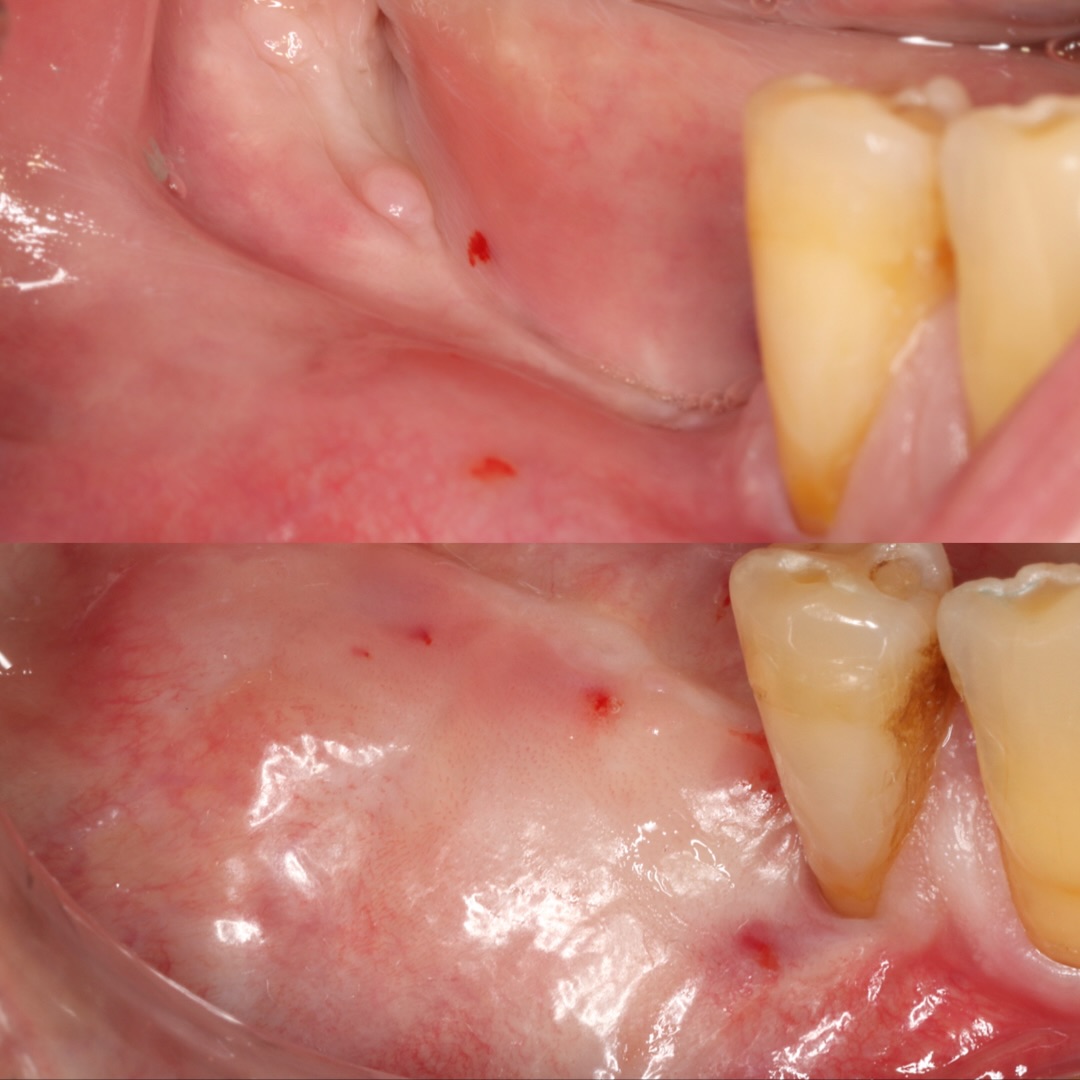 5 imgs
Reentrada a los 6 meses de una regeneración ósea vertical guiada: volumen óseo regenerado estable y bien integrado que permite colocar dos implantes NobelActive con buena estabilidad primaria, a 1,5 mm subcrestales.
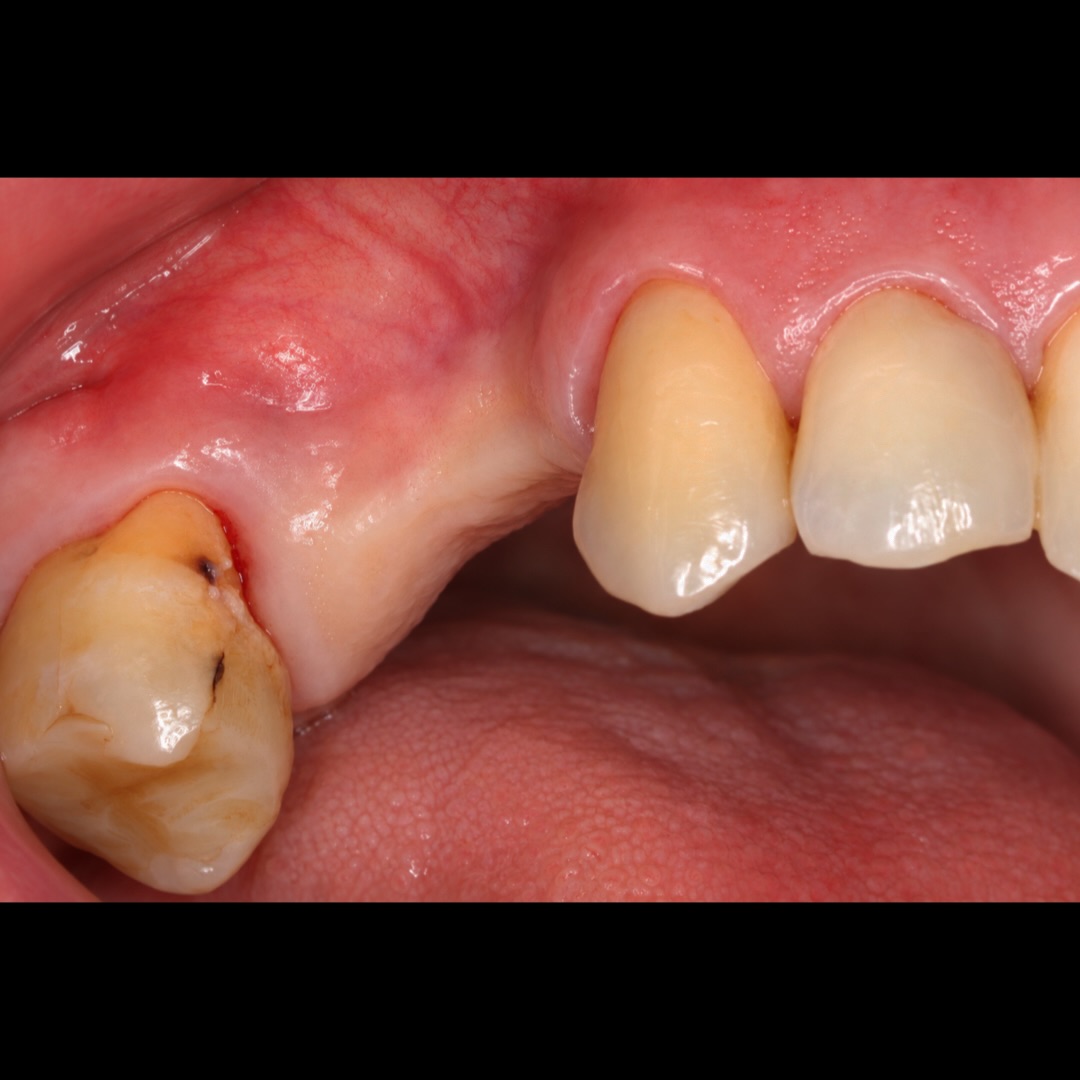
Manejo de un defecto horizontal severo en el 14 mediante colocación implantaria protésicamente guiada, tornillo de tienda y regeneración ósea guiada con hueso autógeno, aloinjerto y membrana de colágeno reabsorbible.
Fecha a convenir · Santa Cruz de Tenerife - España · Presencial
Cirugía y Periodoncia
Clinical and Investigative Orthodontics
Q4 · IF 0.64Autores · Antonio Bach-Álvarez, Lourdes Abellán-Ferris, María-Dolores Oteo-Calatayud, Susana de la Cruz-Vigo, Ángel-Orión Salgado-Peralvo, et al.
Coautores Doctor&Cols · Orion Salgado
Purpose: In Dentistry, the demand for orthodontic treatment solely focused on improving the aesthetics of the smile is increasingly common. The gingival margin of the upper anterior sector is one of the keys to achieving a harmonious and aesthetic smile. Transparent aligners, and within them, the Invisalign® system, are one of the most used and demanded to achieve our aesthetic and functional goals, and the ClinCheck software is key to determining the final result of our treatment. This retrospective study aims to analyse the predictability of the gingival margin of the upper incisors designed in the ClinCheck, comparing it with real intraoral photographs of the patients. Materials and methods: Thirty-one patients between 16 and 59 years old was selected from the dental clinics of the Complutense University of Madrid and the position of the gingival margin in the ClinCheck was compared with its millimetre template by superimposing it on intraoral photographs taken with a millimetre ruler under the incisors in order to make the match between both. Results: In 71% of the upper incisors there were differences between the ClinCheck and the final photographs, being these differences statistically significant (p = 0.001). Conclusion: This is a pilot retrospective study with short-term results and a small sample size. It was determined that there are differences between the ClinCheck and the final results, but these differences are mainly ≤ 1 mm. We cannot trust the end of the ClinCheck 100%, but it is quite close to reality.
Antibiotics
★ Alto impacto · Q1 · IF 5.77Autores · Angel-Orión Salgado-Peralvo, Naresh Kewalramani, Irene-Alexandra Boullosa-Bernárdez, Carlos Oteo-Morilla, et al.
Coautores Doctor&Cols · Orion Salgado
Background: The development of antimicrobial resistance is a major public health issue, in which dentists play a significant role by prescribing 7–11% of worldwide antibiotics. The aim of this study is to evaluate the self-perception and knowledge of antibiotic therapy in fifth-year undergraduate dental students. Methods: This is a cross-sectional observational study based on the STROBE (Strengthening the Reporting of Observational Studies in Epidemiology) guidelines. An electronic survey consisting of 18 questions was conducted with fifth-year students enrolled in the 2022/23 and 2023/24 academic years. The data were analyzed using descriptive and inferential statistical methods. Results: A total of 139 students (76.4%) completed the questionnaire. A total of 71.9% of students considered that they had received adequate education in antibiotic therapy, particularly in Oral Surgery (89.2%) and Periodontics (86.3%). The theoretical classes (3.50 ± 0.98) and practical sessions (3.18 ± 1.29) provided the knowledge that had the greatest influence on their education. They showed high self-confidence in diagnosing an infection (3.49 ± 0.73) and in choosing the appropriate antibiotic and dosage (3.26 ± 0.73). Over 76% of students answered correctly regarding the need for antibiotic prescriptions in various practical scenarios, except in the replantation of avulsed permanent teeth (54%). Conclusions: Dental students’ knowledge of antibiotics should be reinforced, as a high percentage answered correctly regarding the indications for antibiotics in pulpal and periapical diseases, but students performed less well regarding the choice of antibiotic and dosage in patients without sensitivity to β-lactams.
Journal of Clinical Medicine
★ Alto impacto · Q1 · IF 3.487Autores · Angel-Orión Salgado-Peralvo, Naresh Kewalramani, Eugenio Velasco-Ortega, Jose Lopez Lopez, et al.
Coautores Doctor&Cols · Orion Salgado
Background: Burnout syndrome (BS) is an occupational phenomenon resulting from chronic workplace stress that has not been successfully managed. Although there are underlying causes associated with personal attributes, it is generally linked to external factors within the work environment. The aim of the present study was to investigate the impact of lifestyle factors on BS and its dimensions, as well as on suicidal ideation among Spanish professionals dedicated to implant dentistry. Methods: A cross-sectional observational study was conducted in accordance with the Strengthening the Reporting of Observational Studies in Epidemiology (STROBE) guidelines. An electronic survey based on the Maslach Burnout Inventory—Human Services Survey (MBI–HSS) was distributed to members of the Spanish Society of Implants. The data were analysed using descriptive statistical methods. Results: A total of 305 participants (20.9%) responded to the questionnaire. Notably, 10.8% of the professionals reported experiencing suicidal thoughts, a factor significantly associated with the presence of BS. The lifestyle factors associated with BS included the following: not engaging in aerobic exercise for at least 30 min per day (p < 0.05), not having hobbies that facilitate mental disconnection from work (p < 0.001), not following a balanced diet (p < 0.0001), having an insufficient social life (p < 0.0001), and experiencing suicidal ideation (p < 0.01). Conclusions: The surveyed dentists generally reported having healthy lifestyle habits. Nevertheless, one in ten professionals acknowledged having experienced suicidal ideation at some point, highlighting a concerning association with BS.
Journal of Clinical Medicine (JCM)
★ Alto impacto · Q1 · IF 3.408Autores · Álvaro Jiménez-Guerra, Eugenio Velasco-Ortega, Nuno Garrido, Iván Ortiz-García, Orion Salgado, et al.
Coautores Doctor&Cols · Orion Salgado
Background: Transalveolar sinus floor elevation (TSFE) is a surgical technique for the placement of dental implants in patients with reduced height of the maxillary posterior alveolar bone. This study aims to demonstrate the clinical outcomes of TSFE using the minimal invasive sinus elevation (MISE) technique in partially and totally edentulous maxillary patients. Methods: This prospective clinical study followed STROBE guidelines. TSFE was performed using the MISE technique with the simultaneous placement of implants. Dental implants were loaded at 6 months. Maxillary vertical bone gain was measured by CBCT, and marginal bone loss was assessed by periapical radiographs. Results: Ninety-one patients, with a mean age of 62.1 ± 11.8 years, were treated with TSFE and the placement of 107 implants, with a mean follow-up of 96.2 ± 11.7 months. An increase of 4.3 ± 0.4 mm in bone height was achieved, with a dental implant cumulative survival rate of 97.2%. Peri-implantitis was observed in 9.3% of implants, and membrane perforation occurred in 7.7% of cases. Technical complications were noted in 5.5% of patients. Conclusions: Within the limitations of this clinical study, it can be concluded that the MISE technique is a successful protocol for the placement of implants in the posterior maxilla with reduced height of the alveolar ridge, with a rate of biological and prosthetic complications below 10% over an average follow-up period of 8 years.
Medicina Oral Patología Oral y Cirugía Bucal
Q2 · IF 2.123Autores · Salgado-Peralvo ÁO, Kewalramani N, Pérez-Jardón A, Pérez-Sayáns M, Mateos-Moreno MV, Arriba-Fuente L
Coautores Doctor&Cols · Orion Salgado
Background: The present systematic review aims to investigate the guidelines for prescribing Preventive Antibiotic Therapy (PAT) in the placement of dental implants (DIs) without anatomical constraints in healthy patients by clinicians in Europe and to compare them with current recommendations. Material and Methods: A search was performed in 4 databases: Medline (via PubMed), Web of Science, Scopus, and LILACS. The criteria employed were those described in the PRISMA declaration (PROSPERO Registration number: CRD42022382278). Results: The electronic search identified 10 studies published between 2010 and 2023 that met the established criteria. Overall, 60.8% ± 24.1% of European professionals routinely prescribe PAT, with the most frequent regimen being perioperative (means 46.7% ± 24.3%), followed by postoperative PAT only (means 20.3% ± 9.7%). Conclusions: The most commonly prescribed antibiotic both pre- and postoperatively is amoxicillin and, in allergic patients, clindamycin. In Europe, more doses of PAT are being prescribed than suggested by current recommendations. For this reason, more PAT education is needed in educational curricula to promote a more rational use of antibiotics to reduce the occurrence of antimicrobial resistance.
Journal of Clinical and Experimental Dentistry
Q3 · IF 1.333Autores · Ángel-Orión Salgado-Peralvo; Naresh Kewalramani; David Madruga-González; Alvaro Garcia-Sanchez; Javier Barbi-Actis; Mario Pérez-Sayáns
Coautores Doctor&Cols · Orion Salgado, Javier Barbi Actis
Damage to the inferior alveolar nerve (IAN) secondary to the extraction of the lower third molar (LTM) is a relatively frequent complication (0.35–8.40%) that can cause temporary or permanent nerve damage. Coronectomy has been proposed as an alternative, which consists of sectioning the coronary portion of the LTM, and deliberately leaving the radicular portion with the pulp intact. Two clinical cases are presented in this article, in which root migration (0–0.3 mm) and a change of angulation (+2° to +9°) occurred. None of the cases developed complications during the follow-up period (12 months). Therefore, coronectomy is a procedure to be considered in selected cases as an alternative to conventional exodontia of the LTM to avoid possible damage to the IAN.
Journal of Prosthetic Dentistry
★ Alto impacto · Q1 · IF 3.6Autores · Sara Martakoush-Saleh, Ángel-Orión Salgado-Peralvo, Juan-Francisco Peña-Cardelles, Naresh Kewalramani, German O. Gallucci
Coautores Doctor&Cols · Orion Salgado
Statement of problem: Because the use of zirconia in dentistry is relatively new, the number of published studies on the subject is scarce, even though material selection is an important factor in clinical performance. Therefore, a systematic assessment of the impact of the prosthetic material, framework design, veneering material, and manufacturing process is required. Purpose: The purpose of this systematic review and meta-analysis was to investigate the survival and success rates of feldspathic porcelain veneered zirconia (VZir) in comparison with monolithic zirconia (MZir) complete arch implant-supported prostheses (CAISPs). A secondary objective was to assess the influence of the type of loading, the presence or absence of a cantilever, the type of zirconia used, the location, and the opposing arch on complications rates and patient satisfaction. Material and methods: An electronic search of the MEDLINE database (via PubMed), Scopus, Science Direct, Cochrane Library, and OpenGrey was carried out. The criteria described in the preferred reporting items for systematic reviews and meta-analyses statement were used. The search was restricted from January 2000 to January 2022. Results: The systematic search resulted in 20 articles that met the established criteria. In total, 751 patients (VZir=302; MZir=449) with 3038 CAISPs (VZir=368; MZir=2670) were analyzed. Higher prosthetic survival and success rates were found in MZir compared with VZir CAISPs (100% and 95.45%, respectively). The meta-analysis found significantly fewer complications related to MZir (9.4% [4.8%-14.1%]) compared with VZir (33.7% [17.5%-49.9%]). Conclusions: Based on the findings of this systematic review, MZir CAISPs had higher survival and success rates than VZir CAISPs, with significantly fewer prosthetic complications. The influence of factors such as the type of functional loading, the presence of a cantilever, the material used in the prosthodontic workflow, the location of CAISP, and the type of antagonist arch on the performance of Zir CAISPs remains unclear.
International Journal of Environmental Research and Public Health
★ Alto impacto · Q1 · IF 3.206Autores · Salgado-Peralvo ÁO, Fernández-Cerero D, Garcia-Sanchez A, Kewalramani N, Velasco-Ortega E, Jiménez-Guerra Á, Ortiz-García I, Moreno-Muñoz J, Núñez-Márquez E, López-López J, Monsalve-Guil L
Coautores Doctor&Cols · Orion Salgado
At the beginning of the COVID-19 pandemic, strict measures of confinement and social distancing were taken. Dentists were considered essential personnel and their activity was restricted to emergency treatment. The present observational study aims to determine the situation of oral implantology practice in Spain during the initial period of the COVID-19 pandemic. This is a cross-sectional observational study based on the STROBE (Strengthening the Reporting of Observational Studies in Epidemiology) guidelines. An electronic survey consisting of three blocks of questions was sent to all members of the Spanish Society of Implants. The data were analyzed using descriptive analysis. A total of 237 participants (14.3%) responded to the questionnaire. The majority of participants (60.8%) only attended emergencies during the first 9 months of the pandemic. Despite this, 77.2% reported having performed dental implant surgeries and 75.5% indicated that they performed non-essential treatments. The activity was fully recovered by 64.1% of the surveyed dentists. The majority of dentists (90.7%) considered that sufficient/adequate preventive measures were carried out at their workplace, which possibly contributed to the fact that 49.3% were not afraid of becoming infected. This concern was significantly and directly proportionally associated with the age of the surveyed dentists. The oral implant practice was affected to a greater extent during the first 9 months of the pandemic, especially in urban areas, with a greater impact on the workload of professionals with less specialised training in oral implantology.
The International Journal of Oral & Maxillofacial Implants
Q3 · IF 1.9Autores · Ángel-Orión Salgado-Peralvo, Álvaro García-Sánchez, Naresh Kewalramani, Mario Romandini, Eugenio Velasco-Ortega
Coautores Doctor&Cols · Orion Salgado
Purpose: To study whether the use of preventive antibiotic therapy reduces the sinus graft infection and/or dental implant failure rates in maxillary sinus elevation surgeries (primary outcome), and to identify the associated best protocol (secondary outcome). Materials and Methods: The MEDLINE (via PubMed), Web of Science, Scopus, LILACS, and OpenGrey databases were searched between December 2006 and December 2021. Prospective and retrospective comparative clinical studies with at least 50 patients and published in English were included. Animal studies, systematic reviews and meta-analyses, narrative literature reviews, books, case reports, letters to the editor, and commentaries were excluded. Assessment of the identified studies, data extraction, and risk of bias were performed independently by two reviewers. Authors were contacted if required. Collected data were reported by descriptive methods. Results: A total of 12 studies fulfilled the inclusion criteria. The only retrospective study comparing the use of antibiotics vs no use of them showed no statistically significant differences for implant failure; however, no data were reported for sinus infection rates. The only randomized clinical trial comparing different courses of antibiotics (only the day of surgery vs 7 additional postoperative days) reported no statistically significant differences between groups in terms of sinus infection rate. Conclusion: Not enough evidence is available to support either the use or nonuse of preventive antibiotic therapy for sinus elevation surgeries or to support the superiority of any protocol over others.
The International Journal of Periodontics & Restorative Dentistry
Q3 · IF 1.136Autores · Carlos Oteo-Morilla, María Cantero-Gómez, Carlos Oteo-Calatayud, Jesús Oteo‐Calatayud, María Calatayud, Naresh Kewalramani
This study aimed to clinically evaluate the effectiveness of two different at-home whitening protocols and to determine which is more effective: applying the whitening gel (16% carbamide peroxide) every 24 hours (Group A) or every 48 hours (Group B) for 2 weeks. Group C received a placebo gel (glycerin) without peroxide, which was applied every 24 hours for 2 weeks. The differences in terms of tooth sensitivity were also analyzed. A sample of 60 patients was divided into three groups of 20 patients. To compare the groups, color measurements were made using a spectrophotometer, and Student t test was used for independent samples. The confidence level was set at 95% (P ≤ .05). No statistically significant differences were found between Groups A and B (P > .05). The study concluded that 16% carbamide peroxide was equally effective when applied with either protocol and obtained the same results, but the 48-hour application protocol produced less sensitivity than the 24-hour application protocol.
Journal of Oral Implantology
Q4 · IF 0.71Autores · Ángel-Orión Salgado-Peralvo, Andrea Uribarri, Juan-Francisco Peña-Cardelles, Naresh Kewalramani, Jorge Luis Garnier Rodríguez, Eugenio Velasco-Ortega
Coautores Doctor&Cols · Orion Salgado
Recently published surveys data show that the routine prescription of preventive antibiotics (PA) in the prosthetic phase of dental implants is more common than might be expected. The present study aimed to answer the PICO (population, intervention, comparison, and outcome) question in healthy patients starting the implant prosthetic phase, does the prescription of PA compared with not prescribing PA decrease the incidence of infectious complications? by a systematic literature review. A search was performed in 5 databases. The criteria employed were those described in the PRISMA Declaration. Studies included were those that provided information on the need to prescribe PA in the prosthetic phase of implants, that is, in second-stage surgeries, impression-taking, and prosthesis placement. The electronic search identified 3 studies that met the established criteria. The prescription of PA in the prosthetic phase of implants does not show a justified benefit/risk ratio. Preventive antibiotic therapy (PAT) may be indicated in the second stages or in peri-implant plastic surgery procedures lasting more than 2 hours and/or where soft tissue grafts are used extensively. In these cases, given the current lack of evidence, it is recommended to prescribe 2 g of amoxicillin 1 hour before surgery and, in allergic patients, to prescribe 500 mg of azithromycin 1 hour preoperatively.
Journal of Prosthetic Dentistry
Q2 · IF 2.791Autores · Ángel-Orión Salgado-Peralvo, Naresh Kewalramani, Antonio Liñares, Jesús Peláez
Coautores Doctor&Cols · Orion Salgado
The prevalence of infraocclusion and/or loss of interproximal contact areas with implant-supported restorations is high, and replacement of these prostheses has been advocated for the treatment of mild or moderate infraocclusion; however, replacement is complicated if the manufacturer of the implant is unknown. A technique is presented for correcting the infraocclusion of posterior prostheses that are directly connected to the implant. Advantages include possibly preventing marginal bone loss secondary to the removal and reconnection of the prosthetic attachments and reducing the number of appointments.
International Dental Journal
Q3 · IF 1.016Autores · Ángel-Orión Salgado-Peralvo, Naresh Kewalramani, María‐Victoria Mateos‐Moreno
Coautores Doctor&Cols · Orion Salgado
La resistencia a los antibióticos constituye una amenaza creciente para la salud pública, cuya relevancia se ha visto acentuada durante la era de la COVID-19. Este artículo aborda su impacto en la práctica odontológica y en la atención sanitaria, considerando factores como el uso inapropiado de antimicrobianos, la presión asistencial y las dificultades para preservar la eficacia terapéutica. Su enfoque contribuye a reforzar la prescripción racional, las medidas de prevención y control de infecciones y el papel de los profesionales dentales en la contención de esta pandemia silenciosa.
Medicina
★ Alto impacto · Q1 · IF 3.162Autores · Ángel-Orión Salgado-Peralvo, Naresh Kewalramani, Alba Pérez-Jardón, Jesús Pato-Mourelo, et al.
Coautores Doctor&Cols · Orion Salgado
Platelet-rich fibrin (PRF) is a second-generation platelet concentrate whose use in clinical practice has been widely disseminated. This has led to the development of several commercial protocols, creating great confusion as to the terminology and implications of each of them. This integrative review aims to identify the critical factors of each of the phases of the solid-based PRF matrix protocol and their possible influence on their macro- and microscopic characteristics. An electronic search of the MEDLINE database (via PubMed), Web of Science, Scopus, LILACS, and OpenGrey was carried out. The search was temporarily restricted from 2001 to 2022. After searching, 43 studies were included that met the established criteria. There were numerous factors to consider in the PRF protocol, such as the material of the blood collection tubes, the duration of phlebotomy, the parameters related to blood centrifugation, the time from centrifugation to dehydration of the fibrin clots and their dehydration into membranes, as well as the time to clinical use. These factors influenced the macro- and microscopic characteristics of the PRF and its physical properties, so knowledge of these factors allows for the production of optimised PRF by combining the protocols and materials.
Revista Española de Salud Pública
Autores · María Victoria Mateos Moreno, Ángel-Orión Salgado-Peralvo, Naresh Kewalramani, Álvaro García-Sánchez, et al.
Coautores Doctor&Cols · Orion Salgado
FUNDAMENTOS: Caries Management by Risk Assessment (CAMBRA) es un cuestionario de diagnóstico del riesgo global de caries dental. Este estudio tuvo como objetivo presentar un cuestionario de autoevaluación basado en CAMBRA que, a diferencia del original, es cumplimentado por padres/madres/cuidadores, sin necesidad de una exploración odontológica, permitiendo establecer un diagnóstico de presunción en menores de siete años excluidos del programa de salud oral del Sistema Nacional de Salud, con el fin de instaurar recomendaciones individualizadas de riesgo de caries y su inclusión precoz en programas preventivos del Servicio Madrileño de Salud (Madrid, España). MÉTODOS: Se llevó a cabo un estudio observacional transversal basado en las recomendaciones STROBE, empleando por primera vez un cuestionario de autoevaluación basado en CAMBRA en niños/as de cinco a seis años de una escuela infantil de Madrid (España). Los resultados se analizaron mediante una estadística descriptiva y, para el estudio de la relación entre variables cualitativas se utilizó el estadístico exacto de Fisher. RESULTADOS: El cuestionario fue respondido por padres de 120 niños/as (respuesta 40,3%). El 20,8% presentó, a priori, un riesgo de caries bajo; el 62,5%, un riesgo moderado; y el 16,7%, un riesgo alto de caries. CONCLUSIONES: El presente estudio permite la identificación de pacientes en riesgo de presentar caries, no obstante, futuros estudios han de evaluar su sensibilidad y especificidad mediante su comparación frente a un diagnóstico de confirmación tras una exploración odontológica.
PubMed
Autores · María‐Victoria Mateos‐Moreno, Ángel-Orión Salgado-Peralvo, Naresh Kewalramani, Álvaro García-Sánchez, María‐Rosario Garcillán‐Izquierdo, Bibiana Mateos-Moreno, Lorenzo Dorado-Jara, Mónica Berzal-Pérez, Carlos-Alberto Vivas-Mefle
Coautores Doctor&Cols · Orion Salgado
OBJECTIVE: Caries Management by Risk Assessment (CAMBRA) is a questionnaire used to diagnose the patient's overall caries risk. This study aimed to present a self-assessment questionnaire based on CAMBRA which, unlike the original, is completed by parents/caregivers, without the need for a dental examination, allowing a presumptive diagnosis to be established in children under seven years of age excluded from the oral health programme of the National Health System to establish individualised recommendations for caries risk and their early inclusion in preventive programmes of the Madrid Health Service (Madrid, Spain). METHODS: A cross-sectional observational study was carried out following STROBE guidelines using for the first time a self-assessment questionnaire based on CAMBRA in a population of children aged from three to six years from a nursery school in Madrid (Spain). The results were analysed using descriptive statistics and Fisher's exact statistic was used to study the relationship between qualitative variables. RESULTS: The questionnaire was answered by the parents of 120 children (response rate=53.1%), of whom 40.8% presented a low a priori caries risk, 42.5% a moderate risk and 16.7% a high caries risk. CONCLUSIONS: The present study allow the identification of patients at risk of presenting and/or developing caries. However, future studies should evaluate its sensitivity and specificity by comparing it with a confirmatory diagnosis after a dental examination. Nevertheless, the modified CAMBRA questionnaire could be a useful tool for population screening, facilitating the access of the population at risk of caries and risk of exclusion to preventive and community plans.
Journal of Clinical and Experimental Dentistry
Q3 · IF 1.368Autores · Ángel-Orión Salgado-Peralvo, Juan‐Francisco Peña‐Cardelles, Naresh Kewalramani, Álvaro Jiménez-Guerra, Eugenio Velasco‐Ortega, Loreto Monsalve-Guil
Coautores Doctor&Cols · Orion Salgado
BACKGROUND: Despite the development of society and the educational progress achieved at the university education level, women continue to face obstacles that hinder their professional development. This study aims to determine whether there are gender differences in a representative sample of professionals dedicated to Oral Implantology in Spain. MATERIAL AND METHODS: This is a cross-sectional observational study based on the STROBE (Strengthening the Reporting of Observational Studies in Epidemiology) guidelines. An electronic survey consisting of two blocks of questions was sent to members of the Spanish Society of Implants. The data were analyzed using descriptive analysis. RESULTS: A total of 303 participants (20.8%) responded to the questionnaire, of which 219 were men (72.3%) and 84 women (27.7%). Up to the age of 40 years, women predominate, whereas men predominate from the age of 51 years onwards, which is influenced by a greater number of years of experience in implant placement and a higher number of implants placed per year. Despite this, women have a higher level of training in Oral Implantology, as a greater proportion are trained through master's degrees. CONCLUSIONS: Sex differences, dentistry, oral implantology, feminism, gender.
Antibiotics
★ Alto impacto · Q1 · IF 5.77Autores · Ángel-Orión Salgado-Peralvo, Alvaro Garcia-Sanchez, Naresh Kewalramani, Antonio Barone, José María Martínez González, Eugenio Velasco‐Ortega, José López‐López, Rodrigo Kaiser-Cifuentes, Fernando Guerra, Nuno Matos-Garrido, Jesús Moreno-Muñoz, Enrique Núñez-Márquez, Iván Ortiz-García, Álvaro Jiménez-Guerra, Loreto Monsalve-Guil
Coautores Doctor&Cols · Orion Salgado
Current patterns of preventive antibiotic prescribing are encouraging the spread of antimicrobial resistance. Recently, the Spanish Society of Implants (SEI) developed the first clinical practice guidelines published to date, providing clear guidelines on how to prescribe responsible and informed preventive antibiotic therapy (PAT) based on the available scientific evidence on dental implant treatments (DIs). The present document aims to summarise and disseminate the recommendations established by this expert panel. These were based on the Preferred Reporting Items for Systematic Reviews and Meta-Analyses (PRISMA) statement. Studies were analysed using the Scottish Intercollegiate Guidelines Network (SIGN) checklist templates and ranked according to their level of evidence. They were then assigned a level of recommendation using the Grading of Recommendations, Assessment, Development and Evaluation system (GRADE). Guidelines were established on the type of PAT, antibiotic and dosage of administration in the placement of DIs without anatomical constraints, in bone augmentation with the placement of DIs in one or two stages, placement of immediate DIs, sinus elevations, implant prosthetic phase, as well as recommendations in patients allergic to penicillin. Therefore, the PAT must be adapted to the type of implant procedure to be performed.
Journal of Clinical and Translational Research
Q3 · IF 1.175Autores · Ángel-Orión Salgado-Peralvo, Alvaro Garcia-Sanchez, Naresh Kewalramani, Eugenio Velasco‐Ortega
Coautores Doctor&Cols · Orion Salgado
Background and aim: Schneiderian membrane (SM) perforation is the most frequent intraoperative complication during sinus lifts, which can lead to implant failure or delayed implant treatment. This article aims to show the results of using leukocyte and platelet-rich fibrin (L-PRF) in the treatment of perforations occurring during sinus lifts with a lateral window approach. Results: Three patients (n = 5 implants) with a mean ± SD age of 57.67 ± 12.12 years were included, in whom perforations of the SM of 3–5 mm and > 5 mm occurred. The mean ± SD preoperative bone height was 4.42 ± 2.96 and, at 6 months it was 9.58 ± 2.41 (p < 0.05). All implants had a 100% survival rate at 6–24 months. At the split-mouth, the mean ± SD baseline height was 5.05 ± 2.99 mm in repaired SM vs. 2.92 ± 1.01 in those without any complications (p > 0.05). At 6 months, mean ± SD gains were 10.09 ± 2.44 mm vs. 7.73 ± 0.90 mm, respectively (p > 0.05). Conclusion: L-PRF simplifies SM repair, reducing the need for high surgical experience and/or skills. Although there are no significant differences between repaired and intact SM, at the radiological level, greater bone compactness and maturation were observed in the latter, which may be associated with the presence of air bubbles caused by anaerobic bacterial activity in repaired SM. Relevance for Patients: The use of L-PRF greatly simplifies the resolution of SM perforations during sinus lift surgeries, reducing treatment times and providing predictable results. Being of autologous origin, it accelerates and enhances healing, eliminating the possibility of autoimmune rejection reactions.
Journal of Stomatology Oral and Maxillofacial Surgery
Q2 · IF 1.759Autores · Ángel-Orión Salgado-Peralvo, María‐Victoria Mateos‐Moreno, Andrea Uribarri, Naresh Kewalramani, Juan‐Francisco Peña‐Cardelles, Eugenio Velasco‐Ortega
Coautores Doctor&Cols · Orion Salgado
Oroantral communication (OAC) is the opening between the maxillary sinus and the oral cavity, which constitutes a gate for the mucosal infection in the maxillary sinus. On the other hand, an OAF develops when the OAC does not close spontaneously, remains manifest and is epithelialized. Several methods have been proposed to solve these situations, however, they are associated with increased postoperative morbidity and/or higher associated costs and require some experience of the surgeon to perform them. To overcome these disadvantages, the use of Platelet-Rich Fibrin (PRF) is proposed. The present study aims to perform a systematic review of the literature, collecting cases in which PRF was used in the treatment of OACs/OAFs. An electronic search of the MEDLINE database (via PubMed) and Web of Science was performed using the following MeSH terms (Medical Subjects Headings): (oroantral communication OR oroantral fistula OR buccosinusal communication) AND (platelet-rich fibrin OR prf OR fibrin mesh). The criteria used were those described by the PRISMA® Statement. The search was not time-restricted and was updated to April 2021. After searching, 11 articles were included that met the established criteria. In these, PRF was used alone or in combination with bi- or trilaminar techniques achieving complete resolution in 100% of cases (n = 116). With the limitations of this study, it can be established that PRF can be used alone for the treatment of OACs/OAFs up to 5 mm and, in larger defects, it is advisable to combine it with bi- or trilaminar techniques. PRF is an effective therapeutic option, with minimal associated postoperative morbidity compared to other techniques and allows the position of the mucogingival junction to be preserved. Its combination with bone grafting improves the starting point before the replacement of the missing tooth with a dental implant.
International Journal of Environmental Research and Public Health
★ Alto impacto · Q1 · IF 3.251Autores · Alvaro Garcia-Sanchez, Juan‐Francisco Peña‐Cardelles, Esther Ordonez-Fernandez, María Montero-Alonso, Naresh Kewalramani, Ángel-Orión Salgado-Peralvo, Dániel Végh, Angélica Gargano, Gabriela Parra, Lourdes-Isabela Guerra-Guajardo, Wataru Kozuma
Coautores Doctor&Cols · Orion Salgado
The use of pre-procedural rinses has been investigated to reduce the number of viral particles and bacteria in aerosols, potentially decreasing the risk of cross-infection from severe acute respiratory syndrome coronavirus 2 (SARS-CoV-2) during medical and dental procedures. This review aims to confirm whether there is evidence in the literature describing a reduction in salivary load of SARS-CoV-2 when povidone-iodine (PVP-I) is used as a pre-intervention mouthwash. An search of the MEDLINE, Embase, SCOPUS, and the Cochrane library databases was conducted. The criteria used followed the PRISMA® Statement guidelines. Randomized controlled trials investigating the reduction of salivary load of SARS-CoV-2 using PVP-I were included. Ultimately, four articles were included that met the established criteria. According to the current evidence, PVP-I is effective against SARS-CoV-2 in saliva and could be implemented as a rinse before interventions to decrease the risk of cross-infection in healthcare settings.
Clinical Oral Investigations
★ Alto impacto · Q1 · IF 3.846Autores · Javier Sicilia-Pasos, Naresh Kewalramani, Juan‐Francisco Peña‐Cardelles, Ángel-Orión Salgado-Peralvo, Cristina Madrigal-Martínez-Pereda, Ángel López-Carpintero
Coautores Doctor&Cols · Orion Salgado
To determine the survival of intentional autotransplantation of developing teeth. An electronic search was carried out in the MEDLINE database, Web of Science, and Cochrane Library. The criteria used are the ones described in the PRISMA Declaration. The following MeSH terms were used: ("tooth" [MeSH Terms] OR "tooth" [All Fields]) AND ("transplantation, autologous" [MeSH Terms] OR ("transplantation" [All Fields] AND "autologous" [All Fields]) OR "autologous transplantation" [All Fields] OR "autotransplantation" [All Fields]) AND ("humans" [MeSH Terms]. Randomised clinical trials and prospective and retrospective clinical studies were included. The meta-analytic study of overall survival included a total of 14 studies, yielding an overall survival rate of 97.9%. In studies with 1-year follow-ups, survival was 98%. The resulting 2-year follow-up rate was 97%, while the 5- and 10-year survival rates were 95.9% and 96.9%, respectively. The autotransplantation technique performed in a single-phase and on teeth that have not completed their development is a predictable technique, with a described survival rate at a 2-year follow-up of more than 97%. The technique of dental autotransplantation is considered an important resource for the resolution and rehabilitation of tooth loss in patients, especially in those who are still in a growth period. Moreover, this technique has a low complication rate and a 10-year survival rate of 96.9%. It should therefore be considered a safe and reliable procedure.
British Journal of Oral and Maxillofacial Surgery
Q4 · IF 0.501Autores · Karen Rodríguez-Pena, Ángel-Orión Salgado-Peralvo, Naresh Kewalramani, Juan-Antonio Suárez-Quintanilla, José-María Suárez-Quintanilla
Coautores Doctor&Cols · Orion Salgado
The trend in recent decades in Europe and the United States points to an exponential increase in the consumption of antidepressant drugs and, in particular, selective serotonin reuptake inhibitors (SSRIs). This retrospective study aimed to investigate whether there is an association between SSRI intake and dental implant (DI) failure or survival and, secondarily, to investigate the influence of other systemic and local factors. This retrospective cohort study was done in accordance with the the STROBE (Strengthening the Reporting of Observational Studies in Epidemiology) guidelines for observational studies. A total of 170 patients received 573 DIs between 2014 and 2020.The reported DI failure rate was 6.11% (n = 35 DIs). Of these 18.31% failed in patients treated with SSRIs while 4.38% failed in patients who were not prescribed SSRIs (p < 0.001). Specifically, use of these drugs was associated with a hazard ratio rate of DI failure that was 4.53 times higher (95% CI: 1.93 to 10.61), and in the multivariate analysis, a 3.70 times higher adjusted risk was found. A lower DI survival rate at 90 months' follow up was also observed in these patients compared with those not taking them (84.30% vs 96%, respectively; p = 0.00014). With the limitations of the present study it can be affirmed that there is a relation between the intake of SSRIs and DI failure, as well as a lower survival rate in these patients.
Clinical Advances in Periodontics
Q3 · IF 0.786Autores · Ángel-Orión Salgado-Peralvo, Andrea Uribarri, Naresh Kewalramani, Juan‐Francisco Peña‐Cardelles, Antonio Liñares
Coautores Doctor&Cols · Orion Salgado
INTRODUCTION: Vestibuloplasty is a mucogingival procedure that aims to increase the vestibule and the amount of keratinized tissue (KT) around teeth and dental implants. Currently, the gold standard in this procedure is still represented by free gingival grafts (FGGs); however, they require a second surgical site, which means more morbidity for the patient and a higher risk of surgical complications, as well as surgical time and chromatic alteration of the recipient area. CASE PRESENTATION: This is a description of the vestibuloplasty technique with platelet-rich fibrin (PRF) in a 35-year-old female patient with a thin gingival phenotype and no medical history of interest. The reason for consultation was tooth sensitivity during brushing and the presence of recessions in the fifth sextant. CONCLUSIONS: The use of PRF as a graft biomaterial in vestibuloplasty is a valid and effective option as an alternative to secondary epithelialization of the surgical site, as well as to FGGs, with acceptable results in terms of KT gain and root coverage, and with minimal postoperative discomfort. KEY POINTS: Why is this case new information? The use of PRF is an interesting option as an alternative to second-intention healing, as FGGs in vestibuloplasty. What are the keys to successful management of this case? The most important part of the membranes is the part that was in close relation to the erythrocyte fraction in the blood collection tube, so this part must be oriented toward the recipient bed. A minimum of four membranes should be obtained, overlapping one on top of the other. What are the primary limitations to success in this case? The stability of the PRF.
Antibiotics
★ Alto impacto · Q1 · IF 5.77Autores · Ángel-Orión Salgado-Peralvo, Juan‐Francisco Peña‐Cardelles, Naresh Kewalramani, Alvaro Garcia-Sanchez, María‐Victoria Mateos‐Moreno, Eugenio Velasco‐Ortega, Iván Ortiz-García, Álvaro Jiménez-Guerra, Dániel Végh, Ignacio Pedrinaci, Loreto Monsalve-Guil
Coautores Doctor&Cols · Orion Salgado, Ignacio Pedrinaci Peñalver
As the population ages, more and more patients with orthopaedic prostheses (OPs) require dental implant treatment. Surveys of dentists and orthopaedic surgeons show that prophylactic antibiotics (PAs) are routinely prescribed with a very high frequency in patients with OPs who are about to undergo dental procedures. The present study aims to determine the need to prescribe prophylactic antibiotic therapy in patients with OPs treated with dental implants to promote their responsible use and reduce the risk of antimicrobial resistance. An electronic search of the MEDLINE database (via PubMed), Web of Science, LILACS, Google Scholar, and OpenGrey was carried out. The criteria used were those described by the PRISMA® Statement. No study investigated the need to prescribe PAs in patients with OPs, so four studies were included on the risk of infections of OPs after dental treatments with varying degrees of invasiveness. There is no evidence to suggest a relationship between dental implant surgeries and an increased risk of OP infection; therefore, PAs in these patients are not justified. However, the recommended doses of PAs in dental implant procedures in healthy patients are the same as those recommended to avoid infections of OPs.
Clinical Dentistry Reviewed
Q4 · IF 0Autores · Alvaro Garcia-Sanchez, Ángel-Orión Salgado-Peralvo, Juan‐Francisco Peña‐Cardelles, María De-Armas-Conde, Naresh Kewalramani, Esther Ordonez-Fernandez
Coautores Doctor&Cols · Orion Salgado
The availability of the new generation of direct-acting antiviral (DAA) therapies for the treatment of chronic hepatitis C virus (HCV) infection has completely transformed the HCV therapeutic landscape. Current regimens provide pan-genotypic coverage that are of short duration, safer, and are highly effective than prior generations of HCV therapeutics. While data from clinical trials and real-world experience continue to demonstrate similar and high sustained virologic response (SVR) rates, the successful implementation of the HCV cascade-of-care including screening, confirmation of active infection, treatment initiation and successful completion of therapy among more challenging populations, such as the underserved populations who are also disproportionally affected by HCV, remains vital to HCV eradication efforts.
Medicina oral, patología oral y cirugía bucal
Q2 · IF 2.165Autores · Ángel-Orión Salgado-Peralvo, María Montero-Alonso, Naresh Kewalramani, M. Pérez-Sayáns-García, MV. Mateos-Moreno, MR. Garcillán-Izquierdo
Coautores Doctor&Cols · Orion Salgado
BACKGROUND: Currently, the most frequently employed therapies in the treatment of inflammatory bowel diseases (IBD), i.e., Crohn's Disease (CD), Ulcerative Colitis (UC) or unclassified IBD (IBD-U) are monoclonal anti-TNFs and anti-integrin therapies, such as vedolizumab (VDZ). Forty-seven per cent of these patients present extra-intestinal manifestations, the second most prevalent being aphthous stomatitis (AS). The present study aims to investigate which of the two therapies is associated with a lower prevalence of AS after treatment. MATERIAL AND METHODS: An electronic search of the MEDLINE (via PubMed), Web of Science, SCOPUS, LILACS and OpenGrey databases was carried out. The criteria used were those described by the PRISMA Statement. The search was not temporarily restricted and was updated to January 2022. The quality assessment was analyzed using the JBI Prevalence Critical Appraisal Tool. RESULTS: After searching, 7 studies were included that met the established criteria. Of these, 6 analysed the prevalence of AS in CD patients and 4 in UC. A total of 1,744 patients were analysed (CD=1,477 patients; 84.69%; UC=267; 15.31%). The greatest reduction in AS prevalence was observed after anti-TNF therapy. The effect of these therapies on the prevalence of AS in patients with IBD-U could not be determined. CONCLUSIONS: Both biologic therapies achieve a reduction in the prevalence of AS in IBD patients (CD and UC). However, the best results were obtained in patients treated with anti-TNFs, possibly because VDZ is often used in patients who do not respond adequately to previous treatment with anti-TNFs and because of its intestinal specificity.
Científica dental: Revista científica de formación continuada
Autores · Juan Francisco Peña Cardelles, Ángel Orión Salgado Peralvo, Naresh Kewalramani, Iván García Guerrero, Daniel Robles Cantero, Rafael Gómez de Diego
Coautores Doctor&Cols · Orion Salgado
espanolIntroduccion: La mucositis oral es una lesion dolorosa que tiene lugar en la mucosa de la cavidad oral, normalmente su etiologia se encuentra asociada a tratamientos farmacologicos en pacientes oncologicos. Se presenta como ulceras bien delimitadas cuya sintomatologia dolorosa supone en ocasiones la suspension del tratamiento oncologico o la alimentacion por via parenteral, siendo por tanto un efecto adverso importante, marcando el devenir en este tipo de terapias contra el cancer. Objetivo: El objetivo del presente articulo es poner en relieve como se produce el dolor en esta patologia que acontece en la mucosa de la cavidad oral. Discusion: La mucositis oral se va a presentar tras una cascada de eventos biologicos que implican diferentes procesos moleculares tras el tratamiento con quimioterapia o radioterapia. El dolor en la mucositis oral puede poseer un componente inflamatorio y tambien un componente neuropatico. En su fisiopatologia, el dolor va a estar mediado por diferentes familias de receptores y factores. Conclusion: La mucositis oral presenta un gran componente doloroso asociado, en el que cobran especial protagonismo en su aparicion, las familias de los receptores y factores TRP, ET-1, TNF y ROS, entre otros. El conocimiento de la patogenesis del dolor en esta patologia permitira desarrollar terapeuticas contra el dolor en estudios futuros. EnglishIntroduction: Oral mucositis is a painful lesion that occurs in the mucosa of the oral cavity. Its aetiology is usually associated with drug treatments in cancer patients. It presents as well-defined ulcers whose painful symptoms sometimes lead to the suspension of cancer treatment or parenteral nutrition. They therefore represent a significant adverse effect that marks the future in this type of cancer therapy. Objective: The objective of this article is to highlight how pain occurs in this pathology that takes place in the mucosa of the oral cavity. Discussion: Oral mucositis will occur following a ca
Journal of Stomatology Oral and Maxillofacial Surgery
Q2 · IF 1.759Autores · Ángel-Orión Salgado-Peralvo, Juan‐Francisco Peña‐Cardelles, Naresh Kewalramani, Eugenio Velasco‐Ortega
Coautores Doctor&Cols · Orion Salgado
This article examines the potential impact of using antibiotics other than penicillins in the context of dental implant treatment. It addresses whether alternative antimicrobial regimens, prescribed because of allergy, intolerance, or other clinical considerations, may influence perioperative infection control and implant outcomes. By discussing antibiotic selection as a possible risk factor, the publication may help clinicians assess the appropriateness of prophylactic or therapeutic alternatives and support individualized decision-making in implant dentistry.
Journal of Stomatology Oral and Maxillofacial Surgery
Q2 · IF 1.759Autores · Ángel-Orión Salgado-Peralvo, María‐Victoria Mateos‐Moreno, Eugenio Velasco‐Ortega, Juan‐Francisco Peña‐Cardelles, Naresh Kewalramani
Coautores Doctor&Cols · Orion Salgado
Since the beginning of Oral Implantology, preventive antibiotic therapy has been routinely prescribed. However, at present, due to the growing appearance of antimicrobial resistance, its use has been questioned, generating a great debate and an emerging controversy. The present systematic review aims to analyze the scientific literature to determine whether the preventive prescription of antibiotics in augmentation procedures with the insertion of implants in one or two phases decreases the incidence of postoperative infections and/or the survival rate of the implants. The MEDLINE database was searched (via PubMed) with the following keywords: (bone grafting OR alveolar ridge augmentation OR bone graft augmentation OR guided bone regeneration OR bone block) AND (dental implants OR dental implant OR oral implantology) AND (antibiotic prophylaxis OR antibiotics). The criteria used were those described by the PRISMA® Statement. The search was limited to randomised clinical trials, systematic reviews and meta-analyses published in the last 15 years (2005-2020). After reading the titles and abstracts of the resulting articles, only one systematic review meeting the described criteria and 4 randomised clinical trials were included. Prescription of 2 or 3 g of amoxicillin one hour before surgery is recommended to reduce the early failure rate of one-stage implants and to decrease the bacterial load of grafted bone particles in bone augmentation procedures with one or two-stage implants.
Antibiotics
★ Alto impacto · Q1 · IF 5.77Autores · Ángel-Orión Salgado-Peralvo, Juan‐Francisco Peña‐Cardelles, Naresh Kewalramani, Iván Ortiz-García, Álvaro Jiménez-Guerra, Andrea Uribarri, Eugenio Velasco‐Ortega, Jesús Moreno-Muñoz, Enrique Núñez-Márquez, Loreto Monsalve-Guil
Coautores Doctor&Cols · Orion Salgado
The prescription of preventive antibiotics in dental implant treatments reduces the incidence of early failures. This study has focused mainly on the influence of amoxicillin, which is contraindicated in penicillin-allergic patients. The present systematic review aimed to determine whether penicillin-allergic patients have a higher risk of implant failure compared to non-allergic patients. An electronic search was performed on Medline and Web of Science using the following MeSH terms: (penicillin allergy OR clindamycin OR erythromycin OR azithromycin OR metronidazole) AND (dental implant OR dental implant failure OR dental implant complications). The criteria employed were those described in the PRISMA® Declaration. Only five articles were included that analyzed the failure rates of implants placed in penicillin-allergic patients who were prescribed clindamycin compared to non-allergic patients who were prescribed amoxicillin. With the limitations of this study, it is not possible to state that penicillin allergy per se constitutes a risk factor for early dental implant failure as most of the studies included self-reported allergic patients. Clindamycin has been associated with a significantly elevated risk of failure and an up to six times increased risk of infection. Immediate implants also have a 5.7 to 10 times higher risk of failure.
Antibiotics
★ Alto impacto · Q1 · IF 5.77Autores · Ángel-Orión Salgado-Peralvo, Naresh Kewalramani, Juan‐Francisco Peña‐Cardelles, María‐Victoria Mateos‐Moreno, Loreto Monsalve-Guil, Álvaro Jiménez-Guerra, Iván Ortiz-García, Eugenio Velasco‐Ortega
Coautores Doctor&Cols · Orion Salgado
The prescription of preventive antibiotics (PA) in oral implantology is a controversial issue. The study aimed to determine the prescribing habits of PA in professionals dedicated to oral implantology in various treatments in healthy and at-risk patients. This is a cross-sectional observational study based on the STROBE (Strengthening the Reporting of Observational Studies in Epidemiology) guidelines. An electronic survey consisting of 4 blocks of questions was sent to members of the Spanish Society of Implants. The data were analyzed using descriptive analysis. A total of 303 participants (20.8%) responded to the questionnaire. One percent never prescribed PA, 55.4% prescribed them always, and 43.6% prescribed them sometimes. Ninety-six percent administered them preoperatively, while 92.4% administered them postoperatively. The most commonly used antibiotic is amoxicillin followed by amoxicillin with clavulanic acid (875/125 mg). Clindamycin is the most commonly administered antibiotic in patients with allergies. Professionals dedicated to oral implantology frequently prescribe PA in both healthy and at-risk patients, especially perioperatively. Immediate implant placement, sinus lifts, bone regeneration, and multiple implant placement are the treatments in which PA are most commonly prescribed, as well as in patients with heart valve prostheses or a history of bacterial endocarditis and immunodeficiency.
Antibiotics
★ Alto impacto · Q1 · IF 5.77Autores · Ángel-Orión Salgado-Peralvo, Juan‐Francisco Peña‐Cardelles, Naresh Kewalramani, María‐Victoria Mateos‐Moreno, Álvaro Jiménez-Guerra, Eugenio Velasco‐Ortega, Andrea Uribarri, Jesús Moreno-Muñoz, Iván Ortiz-García, Enrique Núñez-Márquez, Loreto Monsalve-Guil
Coautores Doctor&Cols · Orion Salgado
Immediate implants present a high risk of early failure. To avoid this, preventive antibiotics (PAs) are prescribed; however, their inappropriate administration leads to antimicrobial resistance. The present study aims to clarify whether the prescription of PAs reduces the rate of early failure of immediate implants and to establish guidelines to avoid the overprescription of these drugs. An electronic search of the MEDLINE database (via PubMed), Web of Science, Scopus, LILACS and OpenGrey was carried out. The criteria described in the PRISMA® statement were used. The search was temporarily restricted from 2010 to 2021. The risk of bias was analysed using the SIGN Methodological Assessment Checklist for Systematic Reviews and Meta-Analyses and the JBI Prevalence Critical Appraisal Tool. After searching, eight studies were included that met the established criteria. With the limitations of this study, it can be stated that antibiotic prescription in immediate implants reduces the early failure rate. Preoperative administration of 2–3 g amoxicillin one hour before surgery followed by 500 mg/8 h for five to seven days is recommended. It is considered prudent to avoid the use of clindamycin in favour of azithromycin, clarithromycin or metronidazole in penicillin allergy patients until further studies are conducted.
Journal of Clinical and Experimental Dentistry
Q3 · IF 1.368Autores · Enrique Núñez-Márquez, Ángel-Orión Salgado-Peralvo, Juan‐Francisco Peña‐Cardelles, Naresh Kewalramani, Álvaro Jiménez-Guerra, Eugenio Velasco‐Ortega
Coautores Doctor&Cols · Orion Salgado
BACKGROUND: The replacement of maxillary posterior teeth often challenges the clinician due to bone resorption after dental exodontia and low bone quality. Currently, attempts are being made to shorten treatment times by placing implants simultaneously to sinus lift procedures in borderline cases, which can lead to complications such as displacement of implants into the maxillary sinus. CLINICAL CASE: A 54-year-old patient who was planned for complete rehabilitation of the maxilla through a fixed implant-supported prosthesis on 6 implants. At the level of the 3rd sextant, a sinus lift was performed with a lateral window approach (Caldwell-Luc type) and the simultaneous placement of two implants, one of which migrated into the sinus. The implant was displaced after 4 months when the second stage (uncovering) implant surgery was performed for the connection of the healing abutments. The implant was removed a week after the migration, since it had moved to the tuberosity area in the sinus and the lateral window had been performed in a more mesial position, so the patient was recommended to sleep on the right side to achieve the displacement of the implant to a more favourable area, removing it after a week through the same approach. DISCUSSION: Surgical strategies for the removal of a migrated implant are essentially divided into two main approaches: endoscopic transoral and endoscopic transnasal (and combined). CONCLUSIONS: Dental implant complications, dental implant, dental implant displacement, maxillary sinus, case report.
Journal of Stomatology Oral and Maxillofacial Surgery
Q2 · IF 1.759Autores · Ángel-Orión Salgado-Peralvo, Naresh Kewalramani, Alvaro Garcia-Sanchez, Juan‐Francisco Peña‐Cardelles
Coautores Doctor&Cols · Orion Salgado
Este artículo analiza los conceptos de profilaxis antibiótica y terapia antibiótica preventiva en el contexto de la cirugía estomatológica y maxilofacial. A partir de una revisión conceptual y clínica, aborda sus definiciones, indicaciones y diferencias terminológicas, así como los criterios que orientan su empleo racional. Su utilidad clínica radica en favorecer decisiones terapéuticas basadas en el riesgo infeccioso, evitando tanto la prescripción innecesaria como la infraprotección de pacientes seleccionados y contribuyendo al uso responsable de antimicrobianos.
Cirugía Oral e Implantología
Islas Baleares · España
Cirugía Oral e Implantología
Barcelona · España
Cirugía Oral e Implantología
Málaga · España
Cirugía Oral e Implantología
Valencia · España
Cirugía Oral e Implantología
A Coruña · España
Cirugía Oral e Implantología
Granada · España