Cirugía Oral e Implantología
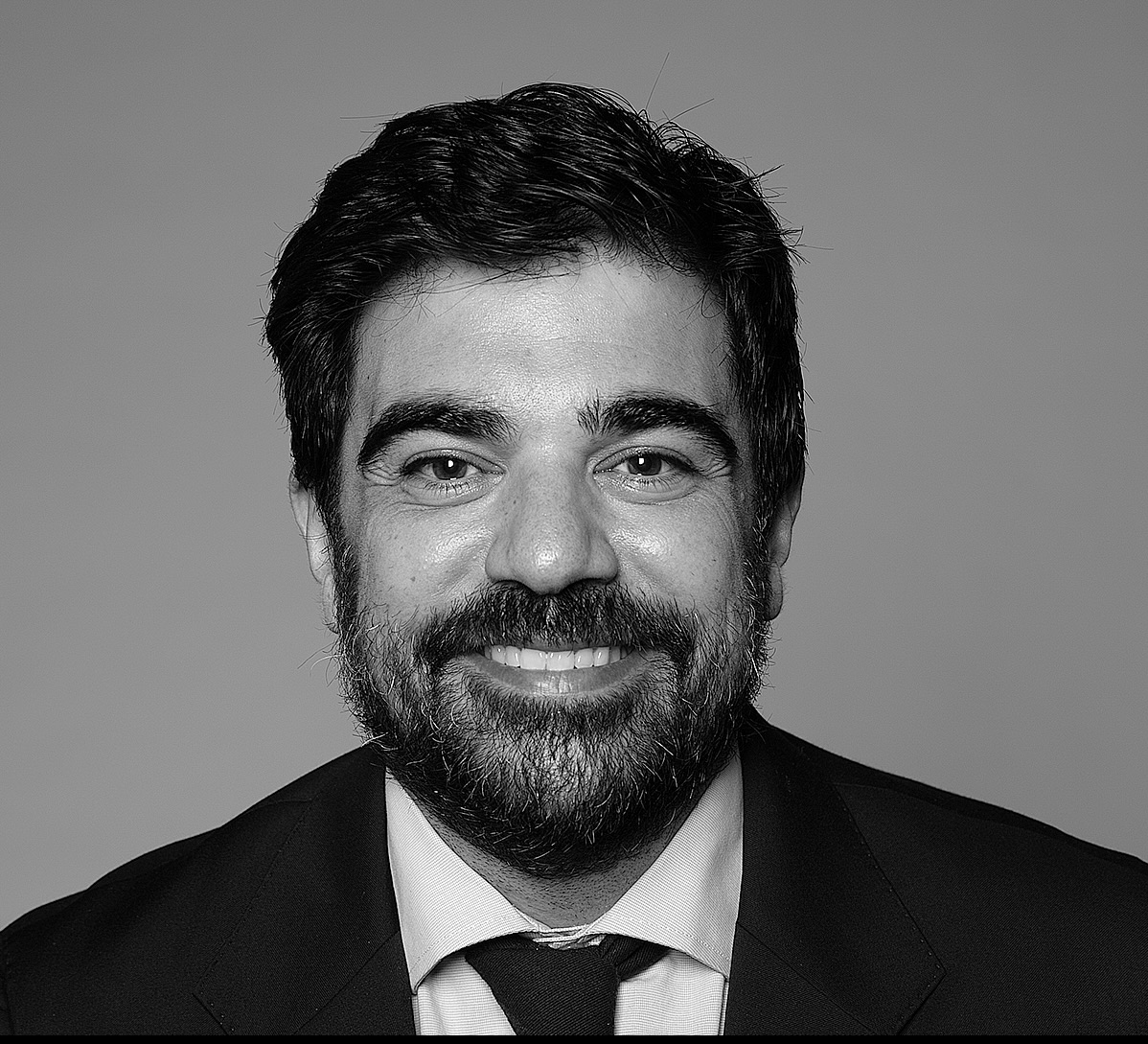
La práctica de Daniel Robles Cantero gira en torno a Cirugía Oral e Implantología. Ejerce en Madrid. Cursó sus estudios de Odontología en Universidad Complutense de Madrid en 2004.
Con el tiempo, ha sumado formación específica en periodoncia y ha llegado al nivel de doctorado. Su título de posgrado más reciente es el Doctorado (Universidad San Pablo CEU, 2023).
Además de la clínica, mantiene actividad de dirección docente en Universidad Europea Miguel de Cervantes (UEMC) y Universidad Rey Juan Carlos, en programas como Máster en Rehabilitación y Estética 360 y Máster de Formación Permanente E-PRODiGi: Estética, Rehabilitación Oral sobre Dientes e Implantes y Soluciones Digitales.
Su aportación al colectivo: dirige e imparte 5 formaciones — entre ellas «Manejo de tejidos blandos con injertos en zona estética» y «Implantes inmediatos con cirugía guiada y carga inmediata» — en Barcelona · calle Bruc 29 y ESIRO Barcelona y São Paulo, Brasil · Universidad FACOP, ha publicado 2 casos clínicos sobre implantología, regeneración ósea guiada e injerto de tejido conectivo y firma 16 publicaciones científicas en revistas como Bioengineering e International journal of odontostomatology.
Explora su trayectoria
Doctorado
Doctorado · Universidad San Pablo CEU · Madrid, España
Experto en Periodoncia e Implantología
Experto · Universidad de Almería · Almería, España
Grado / Licenciado en Odontología
Grado · Universidad Complutense de Madrid · Madrid, España
Sin experiencia registrada
Director · Máster en Rehabilitación y Estética 360
Universidad Europea Miguel de Cervantes (UEMC) · Porto, Portugal
Director · Máster de Formación Permanente E-PRODiGi: Estética, Rehabilitación Oral sobre Dientes e Implantes y Soluciones Digitales
Universidad Europea Miguel de Cervantes (UEMC) · Valladolid, España
Profesor · Máster de Formación Permanente en Cirugía Bucal e Implantología
Universidad Rey Juan Carlos · Madrid, España
Director · Grado / Licenciado en Odontología
Universidad Europea Miguel de Cervantes (UEMC) · Valladolid, España
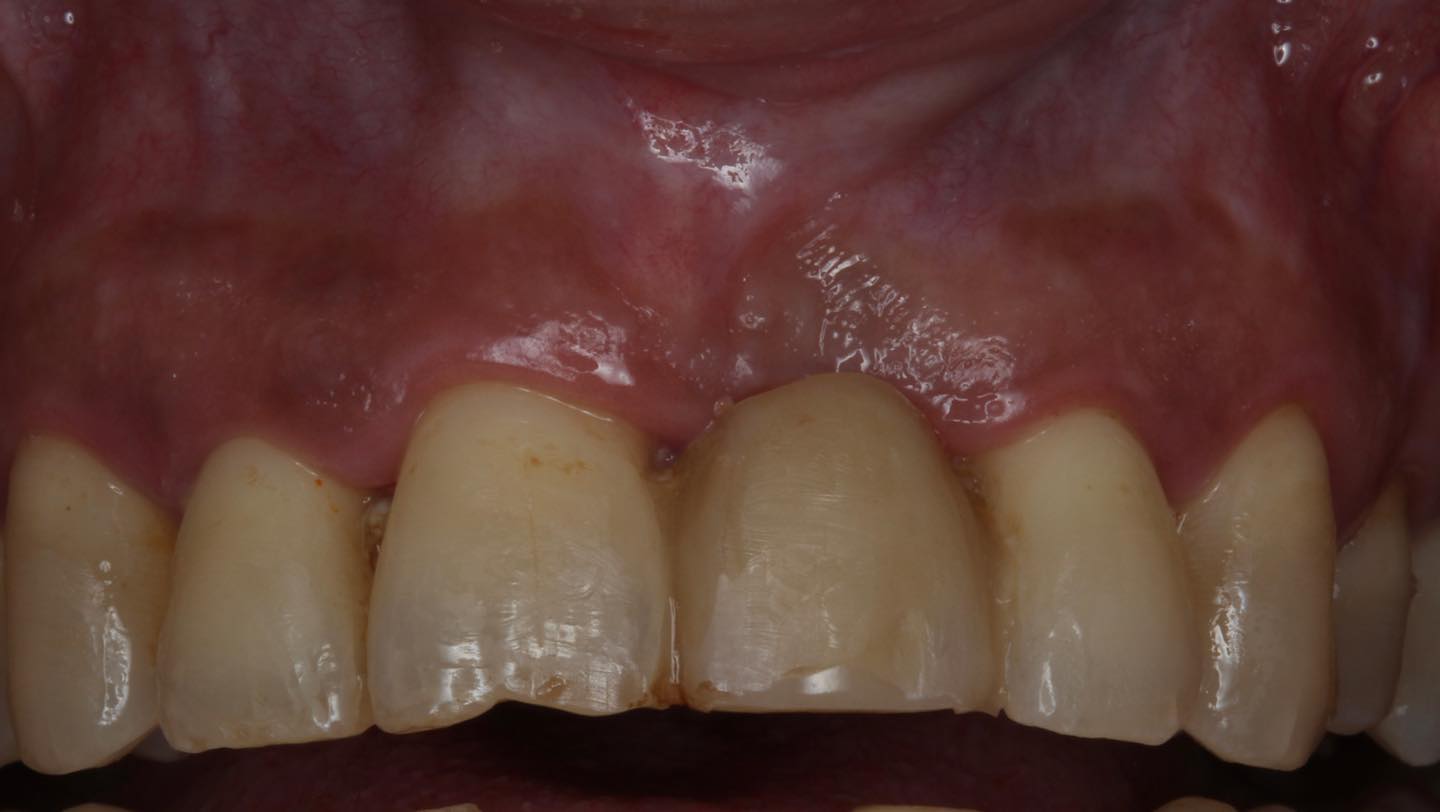 9 imgs
Paciente con antecedente de enfermedad periodontal y un defecto óseo localizado. Colocar el implante sin regenerar habría dejado una superficie sin soporte a medio plazo.
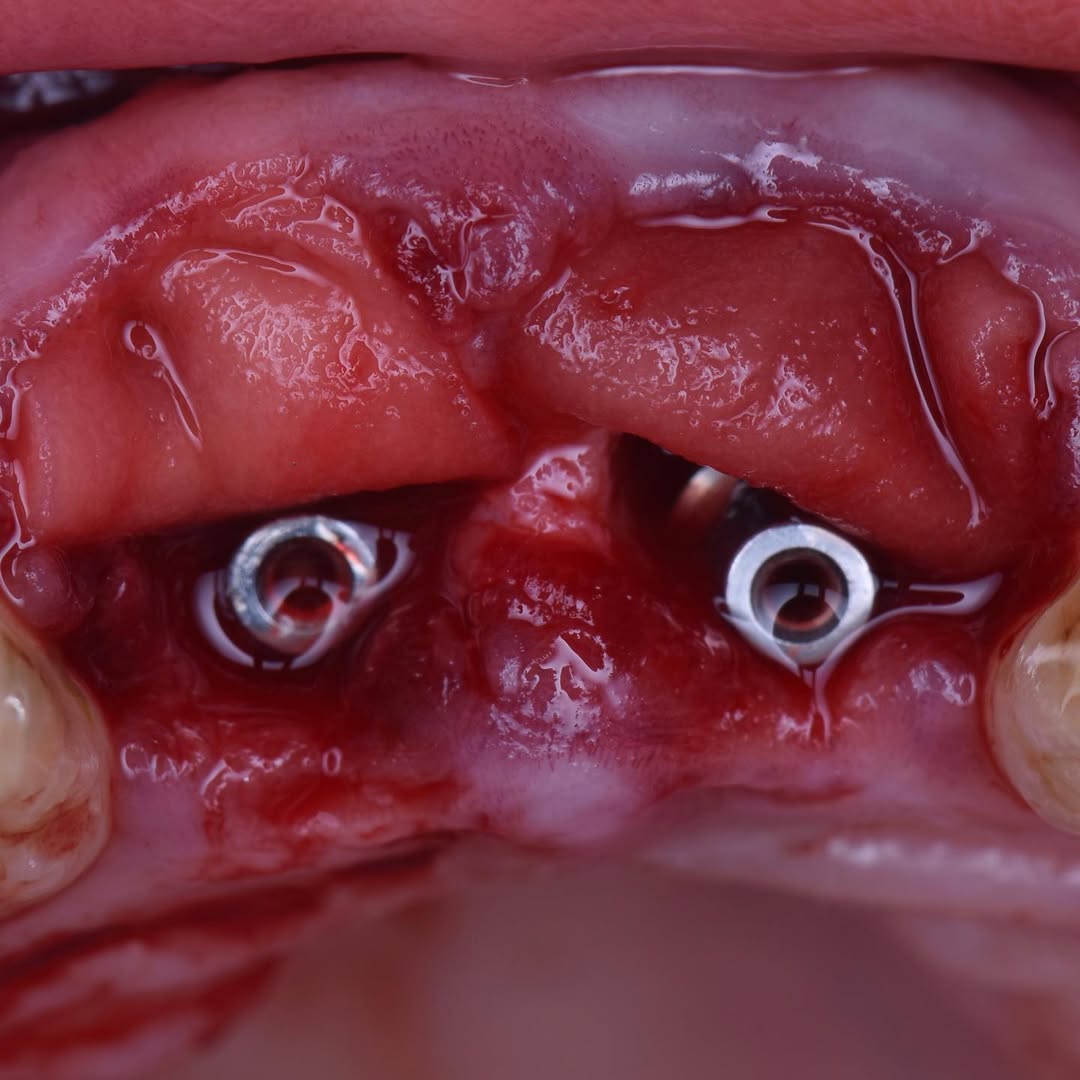 4 imgs
Caso de implante inmediato en el que el volumen óseo no era el problema principal: lo era la cantidad y calidad del tejido queratinizado alrededor del futuro implante.
Módulo 1: 27-29 de enero de 2027 · Módulo 2: 24-26 de febrero de 2027 · Barcelona · Presencial
Cirugía oral · Regeneración ósea
21, 22 y 23 de abril de 2027 · Barcelona · Calle Còrcega 474 · Presencial
Cirugía y Periodoncia · Cirugía Mucogingival
16, 17 y 18 de junio de 2027 · Barcelona · calle Bruc 29 y ESIRO Barcelona · Presencial
Cirugía y Periodoncia · Cirugía Mucogingival
Del 26 al 30 de octubre de 2026 · São Paulo, Brasil · Universidad FACOP · Presencial
Cirugía y Periodoncia · Cirugía Avanzada y Regenerativa
18, 19 y 20 de noviembre de 2026 · Barcelona · calle Bruc 29 y ESIRO Barcelona · Presencial
Cirugía y Periodoncia · Cirugía Guiada
Bioengineering
★ Alto impacto · Q1 · IF 4.791Autores · Paula López‐Jarana, Rui Pedro Marques, Reyes Jaramillo, Rocio Santos, Juna Barros, André Matos, Daniel Robles, Mariano Herrero-Climent
Background: This in vitro study evaluated the influence of macro and microscopic implant design, drilling protocol, and bone density on the primary stability of 4 mm ultrashort dental implants, aiming to provide evidence-based guidance for their use in severely atrophic posterior jaws. Methods: Two implant systems were compared: test group (Klockner Essential Cone® conical implants with polished neck, diameters 4.0 mm [B1] and 4.5 mm [B2], shot-blasted and acid-passivated surface) and control group (Straumann Standard Plus® 4.1 mm parallel-walled implants with SLA® surface). A total of 722 implants (n = 30 per condition) were inserted into natural bone blocks simulating Lekholm and Zarb type II (cortical-dominant) and type III (medullary-dominant) bone qualities. Fifteen experimental conditions were tested, combining three main drilling protocols: (1) manufacturer’s standard preparation, (2) horizontal under drilling (final diameter 3.5 mm), (3) vertical overpreparation (1 mm deeper), and (4) combined vertical + horizontal restriction. Primary stability was assessed by insertion torque (measured with a calibrated Tohnichi® torque wrench) and Implant Stability Quotient (ISQ) using Penguin® resonance frequency analysis (RFA) in two perpendicular directions. Subjective insertion ease and complications were also recorded. Conclusions: The conical macrogeometry with progressive, dense V-shaped threads provides significantly better primary mechanical anchorage than parallel-walled designs in ultrashort (4 mm) implants. Within the limitations of this ex vivo animal bone model study, the results indicate that different drilling protocols significantly influence the primary mechanical stability with insertion torque ≥ 25 Ncm and ISQ ≥ 55 of ultra-short implants, as measured by insertion torque and ISQ values. Certain drilling protocols resulted in higher insertion torque and ISQ compared to others, particularly in Type II and Type III bone.
International journal of odontostomatology
Q4 · IF 0.197Autores · Aritza Brizuela‐Velasco, Saray Férnandez-Hernández, José Gaviria-de la Puerta, Francisco T Barbosa, Igone Porto Gómez, Iker Bellanco-de la Pinta, Esteban Pérez-Pevida, Daniel Robles
Coautores Doctor&Cols · Esteban Pérez Pevida
This study aims to analyze the field of dental implant biomechanics using a novel AI-powered bibliometric approach.By leveraging machine learning and natural language processing, we mapped key research trends, identified dependent and independent variables, and highlighted commonly used testing procedures.This analysis seeks to pinpoint underexplored areas in biomechanics research and offer a roadmap for future studies.We conducted a systematic review of 1,512 full-text articles from the PubMed database.Using the Rapid Automatic Keyword Extraction (RAKE) algorithm, key concepts were identified and classified into three categories: dependent variables, independent variables, and procedures.Advanced co-occurrence analysis was then applied to visualize the interrelations between these terms and their prevalence across the body of literature.Our analysis revealed that the most frequently studied independent variable is loading type, while the most prominent dependent variable is loading transfer, and the most employed procedure is insertion torque measurement.The study also uncovered a reliance on in vitro methodologies, indicating the need for more in vivo research to bridge the gap between laboratory findings and clinical practice.Several important biomechanical factors, such as bone quality and implant connection type, remain underexplored despite their potential clinical impact.Our findings reveal critical knowledge gaps in the field of dental implant biomechanics and underscore the importance of in vivo research to improve clinical outcomes.By combining bibliometric analysis with AI-driven keyword extraction, this study introduces a reproducible, scalable approach to mapping research landscapes in dental science.
Dentistry Journal
★ Alto impacto · Q1 · IF 3.289Autores · Eduardo Escaf-Robles, Aritza Brizuela-Velasco, Daniel Robles, Saray Férnandez-Hernández, Javier Gil, Héctor De Llanos-Lanchares
Background/Objectives: There is evidence of possible contamination of prosthetic components originating from dental laboratories. The aim of this study is to investigate the disinfectant effect of citric acid and polyethylene glycol on implant-prosthetic materials in comparison with an untreated control and chlorhexidine. Methods: A total of 720 disks made of three different materials (titanium grade V, zirconia coated with feldspathic ceramic, and PMMA) contaminated with three bacteria (Staphylococcus aureus, Enterococcus faecalis, and porphyromonas gingivalis) were analyzed. Four treatment groups were tested: citric acid, polyethylene glycol, chlorhexidine and an untreated control group. Two assessment periods (3 and 21 days of incubation) were used, with bacterial metabolic activity measured using the resazurin reduction test and then analyzed by electron microscopy. Results: The results show that chlorhexidine has a superior inhibitory effect on all materials and bacterial strains in the short-term evaluation (3 days), while citric acid and polyethylene glycol showed higher efficacy after 21 days. Citric acid also exhibits differential effects when applied to grade V titanium. These differences were statistically significant at p < 0.05. Conclusions: There is evidence to recommend chlorhexidine for the disinfection of laboratory prosthetic components, but the enhanced effect of citric acid on grade V titanium and its long-term efficacy make it clinically promising candidate.
Biomimetics
★ Alto impacto · Q1 · IF 4.339Autores · Saray Férnandez-Hernández, Javier Gil, Daniel Robles, Esteban Pérez-Pevida, Mariano Herrero‐Climent, Aritza Brizuela‐Velasco
Coautores Doctor&Cols · Esteban Pérez Pevida
Treating the surfaces of dental implants in an alkaline medium allows us to obtain microstructures of sodium titanate crystals that favor the appearance of apatite in the physiological environment, producing osteoconductive surfaces. In this research, 385 discs made of titanium used in dental implants underwent different NaOH treatments with a 6M concentration at 600 °C and cooling rates of 20, 50, 75, and 115 °C/h. Using high-resolution electron microscopy, the microstructures were observed, and the different crystal sizes were determined and compared with control samples (those without biomimetic treatment). Roughness, wettability, surface energy and the sodium content of the surface were determined. The different surfaces were cultured with human osteoblastic cells; cell adhesion was determined at 3 and 14 days, and the degree of mineralization was determined at 14 days via alkaline phosphatase levels. Variations in the microstructure and size of sodium titanate crystals in NaOH solutions rich (1 g/L) or low in calcium (approximately 100 ppm) were determined. The results show that as the cooling rate increases, the size of the crystals decreases (from 0.4 μm to 0.8 μm) except for the case of 115 °C/h, when the rate is too fast for crystalline nucleation to occur on the surface of the titanium. The thermochemical treatment does not influence the roughness or the cooling rate since a Sa of 0.21 μm is maintained. However, the presence of titanate causes a decrease in the contact angle from 70° to 42° and, in turn, causes an increase in the total surface energy from 35 to 49.5 mJ/m2, with the polar component standing out in this energy increase. No variations were observed in the thermochemical treatments in the presence of sodium, which was around 1200 ppm. It was observed that as the size of the crystals decreases, cell adhesion increases at 3 days and decreases at 14 days. This is because finer crystals on the surface are already in the mineralization process, as
The International Journal of Oral & Maxillofacial Implants
Q3 · IF 1.088Autores · Aritza Brizuela‐Velasco, Daniel Robles, Saray Férnandez-Hernández, José Manuel Mendes, Ignacio Sanz, Javier Gil
PURPOSE: To compare heat generation during osteotomy for dental implant placement using a conventional (sequential drilling) drill protocol versus a single-drill protocol in digitally guided surgery and to clarify differences in thermal exposure time. MATERIALS AND METHODS: In this study, we used a bovine rib ex vivo model with a surgical splint and a type K thermocouple to measure temperature and time. The conventional protocol (n = 20) involved sequential drilling using six drills of increasing diameter, while the simplified protocol used a single drill (n = 20). Four implant beds were prepared in the tibia of a New Zealand rabbit to compare the mean temperature values between the in vivo and ex vivo models. RESULTS: Student's t-test revealed no significant differences (P = .1688) in temperature elevation between the conventional (mean = 1.977°C; SD = 1.165) and single-drill (mean = 2.634°C; SD = 1.734) protocols. However, significant differences between the groups were found in the exposure time: conventional drilling protocol-107.105 seconds (SD = 29.196); single-drill protocol-16.842 seconds (SD = 8.101). The mean temperature increases due to drilling were 0.365°C (SD = 0.204) and 0.378°C (SD = 0.381) in the rabbit tibia and bovine rib, respectively; however, no significant differences (P = .926) were found between the in vivo and ex vivo models. CONCLUSIONS: Conventional and single-drill guided surgery protocols for implant bed preparation generate similar temperatures in vitro. Exposure time is longer with conventional protocols than with single-drill protocols.
Composites Part B Engineering
★ Alto impacto · Q1 · IF 12.926Autores · Arnold William Bangel, Daniel Robles, Jake Atzen, Xuan Song
Este estudio aborda la valorización de papel recuperado contaminado mediante su incorporación en procesos de fabricación aditiva basados en materiales compuestos. El trabajo previsiblemente evalúa estrategias de preparación, formulación y procesado del residuo para obtener materiales imprimibles con propiedades adecuadas. Su enfoque contribuye a la economía circular al explorar alternativas de reciclaje para corrientes de papel de difícil aprovechamiento convencional. Los resultados pueden orientar el diseño de compuestos sostenibles para aplicaciones de impresión 3D y la gestión avanzada de residuos celulósicos.
The International Journal of Oral & Maxillofacial Implants
Q3 · IF 1.088Autores · Daniel Robles, Saray Férnandez-Hernández, Miquel Punset, Meritxell Molmeneu, Javier Gil, Esteban Pérez-Pevida, Artiza Velasco
Coautores Doctor&Cols · Esteban Pérez Pevida
PURPOSE: To evaluate the biomechanical behavior, implant stability, micromotion under loading, and peri-implant bone microstrain of short dental implants (4 mm) compared with longer implants (6, 8, and 10 mm), particularly in high crownto- implant (C/I) ratio scenarios, and to assess the effect of prosthetic splinting as a biomechanical strategy. MATERIALS AND METHODS: A total of 50 implants with internal connections (4-, 6-, 8-, and 10-mm implants) were placed in 9 fresh bovine ribs and restored with standardized polymethyl methacrylate (PMMA) crowns to achieve C/I ratios of 1.22 for 10-mm implants, 1.77 for 8-mm implants, 2.7 for 6-mm implants, and 4.55 for 4-mm implants. A maximum of six implants were placed in each rib, with a 6-mm distance between implants in all cases. Using resonance frequency analysis (RFA) and controlled loading (50 N, 6-degree angulation), implant stability and micromotion were evaluated via image-based analysis. Subsequently, a subset of 4-mm implants was tested with a splinted PMMA bridge. Finite element analysis (FEA) using models consistent with the in vitro setup was performed to evaluate bone microstrain, von Mises stress, and displacement. RESULTS: Implant stability (implant stability quotient [ISQ] values) increased significantly with implant length, with the 10-mm group having the highest values (mean ISQ = 68.4) (P < .05). Micromotion and FEA displacement were inversely correlated with implant length and positively correlated with the C/I ratio. The 4-mm implants had significantly higher micromotion and microstrain values, but splinting significantly reduced both parameters and achieved a performance comparable to that of longer implants. Von Mises stress values in the peri-implant bone and abutments were highest in the 4-mm group. CONCLUSIONS: Short dental implants correlate with poorer values for implant stability than conventional implants. High C/I ratios in short implants are associated with increased micromovement and micro
Prosthesis
Q2 · IF 2.908Autores · Oscar Javier Valencia-Blanco, Esteban Pérez-Pevida, Daniel Robles, Enrique Montalvillo, Javier Gil, Aritza Brizuela‐Velasco
Coautores Doctor&Cols · Esteban Pérez Pevida
Objective. The aim of this in vitro study was to compare the physical and mechanical properties of two resins used for provisional prostheses: a direct self-curing dimethacrylate resin and a 3D-printed resin, in order to assess their potential for different clinical applications. Methods. Flexural strength, microhardness, wear resistance, and water absorption were evaluated in accordance with ISO 4049 and ISO 10477. Samples were analyzed using scanning electron microscopy, X-ray spectroscopy, and mechanical testing, including flexural, wear, and scratch assays. Results. The 3D-printed resin demonstrated superior flexural strength (128 ± 2 MPa vs. 127 ± 16 MPa), microhardness (19.45 HV vs. 8.10 HV, p < 0.05), and wear resistance (mean wear area: 0.030 mm2 vs. 0.047 mm2) compared to the self-curing dimethacrylate composite. However, it exhibited significantly higher water absorption (55.98 µg/mm3 vs. 15.0 µg/mm3), which may compromise its long-term durability in humid environments. Conclusions. Overall, the 3D-printed resin shows promising mechanical performance, but its high-water absorption remains a limitation for extended use. Further studies are required to evaluate its degradation and behavior under intraoral conditions. Clinical relevance. For the time being, self-curing resins remain the preferred choice for long-term provisional prostheses.
Materials
★ Alto impacto · Q1 · IF 4.287Autores · Jordi Martínez-Grau, Daniel Robles, Román A. Pérez, Xavier Marimon, Saray Férnandez-Hernández, Carlos Aroso, Aritza Brizuela‐Velasco
This study has been carried out to analyze the influence of the design of three geometric elements (wall thickness, platform width, and chamfer) of Ti-base abutments on the distribution of stresses and strains on the implant, the retention screw, the Ti base, and the bone. This study was carried out using FEA, analyzing eight different Ti-base models based on combinations of the geometric factors under study. The model was adapted to the standard Dynamic Loading Test For Endosseous Dental Implants. A force of 360 N with a direction of 30° was simulated and the maximum load values were calculated for each model, which are related to a result higher than the proportional elastic limit of the implant. The transferred stresses according to von Mises and microdeformations were measured for all the alloplastic elements and the simulated support bone, respectively. These results were validated with a static load test using a creep testing machine. The results show that the design factors involved with the most appropriate stress distribution are the chamfer, a thick wall, and a narrow platform. A greater thickness (0.4 mm) is also related to lower stress values according to von Mises at the level of the retaining screws. In general, the distributions of tension at the implants and microdeformation at the level of the cortical and trabecular bone are similar in all study models. The in vitro study on a Ti-base control model determined that the maximum load before the mechanical failure of the implant is 360 N, in accordance with the results obtained for all the Ti-base designs analyzed in the FEA. The results of this FEA study show that modifications to the Ti-base design influence the biomechanical behavior and, ultimately, the way in which tension is transferred to the entire prosthesis-implant-bone system.
Bioengineering
★ Alto impacto · Q1 · IF 4.791Autores · Marta Sanjuán Álvarez, Daniel Robles, Javier Gil, Saray Férnandez-Hernández, Esteban Pérez-Pevida, Aritza Brizuela‐Velasco
Coautores Doctor&Cols · Esteban Pérez Pevida
Objectives: Hybrid implants commonly exhibit decreased corrosion resistance and fatigue due to differences in compressive residual stresses between the smooth and rough surfaces. The main objective of this study was to investigate the influence of an annealing heat treatment to reduce the residual stresses in hybrid implants. Methodology: Commercially pure titanium (CpTi) bars were heat-treated at 800 °C and different annealing times. Optical microscopy was used to analyze the resulting grain growth kinetics. Diffractometry was used to measure residual stress after heat treatment, corrosion resistance by open circuit potential (EOCP), corrosion potentials (ECORR), and corrosion currents (ICORR) of heat-treated samples, as well as fatigue behavior by creep testing. The von Mises distribution and the resulting microstrains in heat-treated hybrid implants and in cortical and trabecular bone were assessed by finite element analysis. The results of treated hybrid implants were compared to those of untreated hybrid implants and hybrid implants with a rough surface (shot-blasted). Results: The proposed heat treatment (800 °C for 30 min, followed by quenching in water at 20 °C) could successfully homogenize the residual stress difference between the two surfaces of the hybrid implant (−20.2 MPa). It provides better fatigue behavior and corrosion resistance (p ˂ 0.05, ANOVA). Stress distribution was significantly improved in the trabecular bone. Heat-treated hybrid implants performed worse than implants with a rough surface. Clinical significance: Annealing heat treatment can be used to improve the mechanical properties and corrosion resistance of hybrid surface implants by homogenizing residual stresses.
Materials
★ Alto impacto · Q1 · IF 4.287Autores · Daniel Robles, Aritza Brizuela‐Velasco, Manuel Fernández‐Domínguez, Javier Gil
One of the strategies for the fight against peri-implantitis is the fabrication of titanium dental implants with the part close to the neck without roughness. It is well known that roughness favors osseointegration but hinders the formation of biofilm. Implants with this type of structure are called hybrid dental implants, which sacrifice better coronal osseointegration for a smooth surface that hinders bacterial colonization. In this contribution, we have studied the corrosion resistance and the release of titanium ions to the medium of smooth (L), hybrid (H), and rough (R) dental implants. All implants were identical in design. Roughness was determined with an optical interferometer and residual stresses were determined for each surface by X-ray diffraction using the Bragg–Bentano technique. Corrosion studies were carried out with a Voltalab PGZ301 potentiostat, using Hank’s solution as an electrolyte at a temperature of 37 °C. Open-circuit potentials (Eocp), corrosion potential (Ecorr), and current density (icorr) were determined. Implant surfaces were observed by JEOL 5410 scanning electron microscopy. Finally, for each of the different dental implants, the release of ions into Hank’s solution at 37 °C at 1, 7, 14, and 30 days of immersion was determined by ICP-MS. The results, as expected, show a higher roughness of R with respect to L and compressive residual stresses of −201.2 MPa and −20.2 MPa, respectively. These differences in residual stresses create a potential difference in the H implant corresponding to Eocp of −186.4 mV higher than for the L and R of −200.9 and −192.2 mV, respectively. The corrosion potentials and current intensity are also higher for the H implants (−223 mV and 0.069 μA/mm2) with respect to the L (−280 mV and 0.014 μA/mm2 and R (−273 mV and 0.019 μA/mm2). Scanning electron microscopy revealed pitting in the interface zone of the H implants and no pitting in the L and R dental implants. The titanium ion release values to the medium ar
Dental Materials
Q2 · IF 2.468Autores · Marta Sanjuán, Aritza Brizuela‐Velasco, Javier Gil, M. Cerrolaza, Enrique Montalvillo, Saray Férnandez-Hernández, Daniel Robles
To determine the influence of different surface roughness and residual stress of hybrid surface implants on their behavior and mechanical failure. Three types of implants with different surface roughness were used as specimens: smooth, rough, and hybrid. A diffractometer was used to determine the residual stress of the implants according to their different surface treatment. These results were used as an independent variable in a finite element analysis that compared the three specimens to determine the von Mises stress transferred to the implants and supporting bone and the resulting microdeformations. Flexural strength and fatigue behavior tests were performed to compare the results of the three types of implants. Higher residual stress values were found for rough surfaces (p < 0.05, Student's t-test) compared to smooth surfaces, and both types of stress were different for the two types of hybrid implant surfaces. Finite element analysis found different von Mises stress and microdeformation results, both at the level of the implant and the bone, for the three types of implants under study. These results were correlated with the different flexural strength behaviors (lower resistance for hybrids and higher for rough surfaces, p < 0.05) and fatigue behavior (the rough implant had the longest fatigue life, while the hybrid implant exhibited the worst fatigue behavior). The results show a trend toward a less favorable mechanical behavior of the hybrid implants related to the retention of different residual stresses caused by the surface treatment.
Journal of Functional Biomaterials
★ Alto impacto · Q1 · IF 5.284Autores · Daniel Robles, Aritza Brizuela‐Velasco, Manuel Fernández‐Domínguez, Javier Gil
Bacterial infections in dental implants generate peri-implantitis disease that causes bone loss and the mobility of the dental implant. It is well known that specific ranges of roughness favor the proliferation of bacteria, and it is for this reason that new dental implants called hybrids have appeared. These implants have a smooth area in the coronal part and a rough surface in the apical part. The objective of this research is the physico-chemical characterization of the surface and the osteoblastic and microbiological behavior. One-hundred and eighty discs of titanium grade 3 with three different surfaces (smooth, smooth–rough, and completely rough) were studied. The roughness was determined by white light interferometry, and the wettability and surface energy by the sessile drop technique and the application of Owens and Wendt equations. Human osteoblast SaOS-2 was cultured to determine cell adhesion, proliferation, and differentiation. Microbiological studies were performed with two common bacterial strains in oral infection, E. faecalis and S. gordonii, at different times of culture. The roughness obtained for the smooth surface was Sa = 0.23 and for the rough surface it was 1.98 μm. The contact angles were more hydrophilic for the smooth surface (61.2°) than for the rough surface (76.1°). However, the surface energy was lower for the rough surface (22.70 mJ/m2) in both its dispersive and polar components than the smooth surface (41.77 mJ/m2). Cellular activity in adhesion, proliferation, and differentiation was much higher on rough surfaces than on smooth surfaces. After 6 h of incubation, the osteoblast number in rough surfaces was more than 32% higher in relation to the smooth surface. The cell area in smooth surfaces was higher than rough surfaces. The proliferation increased and the alkaline phosphatase presented a maximum after 14 days, with the mineral content of the cells being higher in rough surfaces. In addition, the rough surfaces showed greater ba
Journal of Prosthetic Dentistry
Q2 · IF 2.791Autores · Wenceslao Piedra‐Cascón, Delaram Mostafavi, Juan Ruiz-de-Gopegui, Esteban Pérez-Pevida, Daniel Robles, Marta Revilla‐León
Coautores Doctor&Cols · Esteban Pérez Pevida
Protocols with static computer-aided implant placement provide more tangible clinical advantages than conventional implant placement methods. A technique to manufacture a dual-material implant surgical guide by using a vat-polymerization printer is described. The implant surgical guide combined a resilient intaglio and hard exterior surface. The technique should minimize the clinical adjustments needed to ensure fit and improve patient comfort.
Journal of Diagnostics and Treatment of Oral and Maxillofacial Pathology
Q4 · IF 0.471Autores · Daniel Robles, Todd R. Schoenbaum, Zinaida Zhehulovych, Ivan Nagorniak, Ievgen Fesenko
Open access article (synonym: open access publication) is a type of peer-reviewed article which gives a possibility to the readers to read and download it free of charge owing to paying an open access publication fee (OAPF) directly by its authors, their institutions, or funders.1 According to Solomon and Björk`s study, who analyzed about 1,370 journals, article processing charges range from 8 to 3,900 US Dollars.1, 2 Moreover, the official Elsevier`s page dedicated to the list of all company`s open access journals indicated that an article processing charge can reach 6,000 US Dollars excluding tax.3 First publishing houses that supported and develop open access journals have been two new academic publishers – BioMed Central (BMC) and Public Library of Science (PLoS).1 In 2000, they began establishing journals that rely on open access publication fee.1 Most motivation criteria for the authors from the fields of oral and maxillofacial surgery, periodontics in choosing to what peer-reviewed journal submit their paper may be classified under three chief groups: 1) indexing and abstracting in different recognized data bases (PubMed/Medline,4 Scopus, Web of Science, etc.), 2) an impact metric,5 and 3) an amount of the article processing charge. First two motivation criteria are precisely described in recent publications but the last one – open access publication fee and its amount – should be investigated more scrupulously.4, 5 There is a great need to analyze the advantages and disadvantages of OAPF both for authors and editorial staff/publishers. This is the aim of this study in order to understand the advantages and disadvantages the payment methods. For the purpose of comparative analysis we selected two peer-reviewed journals according to the following inclusion criteria: 1. Fully open access publication (hybrid or delayed open access journals were excluded during selection). 2. Similar term of publication history – about 5 years (similar starting point allows compa
Ceramics International
★ Alto impacto · Q1 · IF 5.706Autores · Edgardo Saucedo, Yibran Perera, Daniel Robles
This article addresses a plasma-assisted process for producing glass-ceramic spheres within the CaO–SiO2–Al2O3–MgO quaternary system. It examines the feasibility of plasma technology to melt, shape, and crystallize compositions relevant to advanced ceramic materials, considering phase development and microstructural characteristics. The work may support the design of spherical glass-ceramic particles for applications requiring controlled morphology, thermal stability, and tailored functional properties, including potential use in biomedical, industrial, or high-temperature material systems.
Cirugía Oral e Implantología
Madrid · España
Cirugía Oral e Implantología
Barcelona · España
Cirugía Oral e Implantología
Málaga · España
Cirugía Oral e Implantología
Valencia · España
Cirugía Oral e Implantología
Madrid · España
Cirugía Oral e Implantología
Madrid · España